Controlling Boiling Water Shrinkage in Nylon 6 HOY Yarn for Dimensionally Stable Fabrics
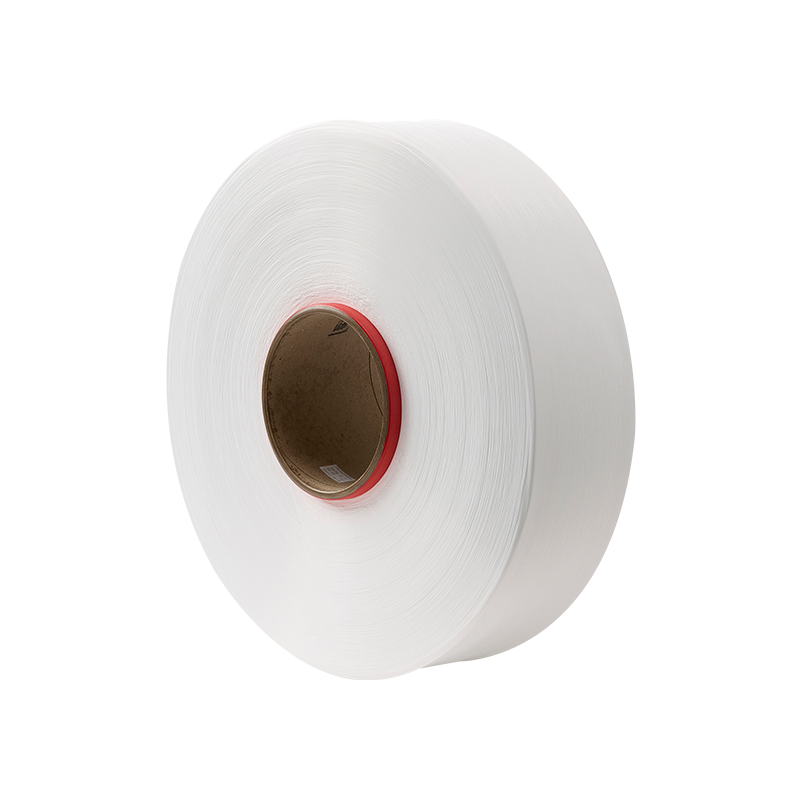
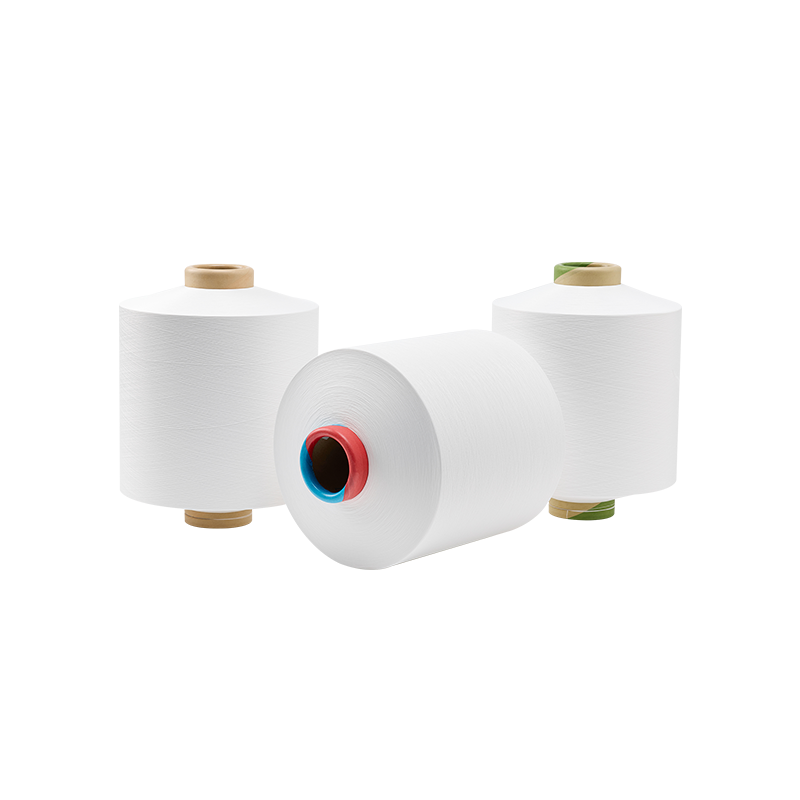
Nylon 6 High Oriented Yarn derives its strength and elongation from a high-stretch spinning process, but the true measure of downstream reliability lies in boiling water shrinkage. For lace and clothing linings, uncontrolled shrinkage leads to puckering and size distortion after dyeing or washing. A low boiling water shrinkage rate, typically below 7%, is therefore a non-negotiable quality marker. This stability is achieved through precise control of draw ratios, thermal setting temperatures, and relaxation steps immediately after orientation.
When evaluating Nylon 6 HOY for sensitive constructions, it is worth requesting shrinkage test data under simulated wet-finishing conditions. At Fangyuan, our Nylon 6 HOY Yarn is engineered with tightly managed spinning parameters that lock in molecular orientation while minimizing internal stresses. The result is a yarn that holds its dimensions and keeps your fabric panels consistent from finishing to final use. The same shrinkage discipline applies to Nylon HOY in circular knits, where course-spacing uniformity is essential for visual quality.
Matching Denier and Filament Count: The DPF Sweet Spot for Lace and Linings
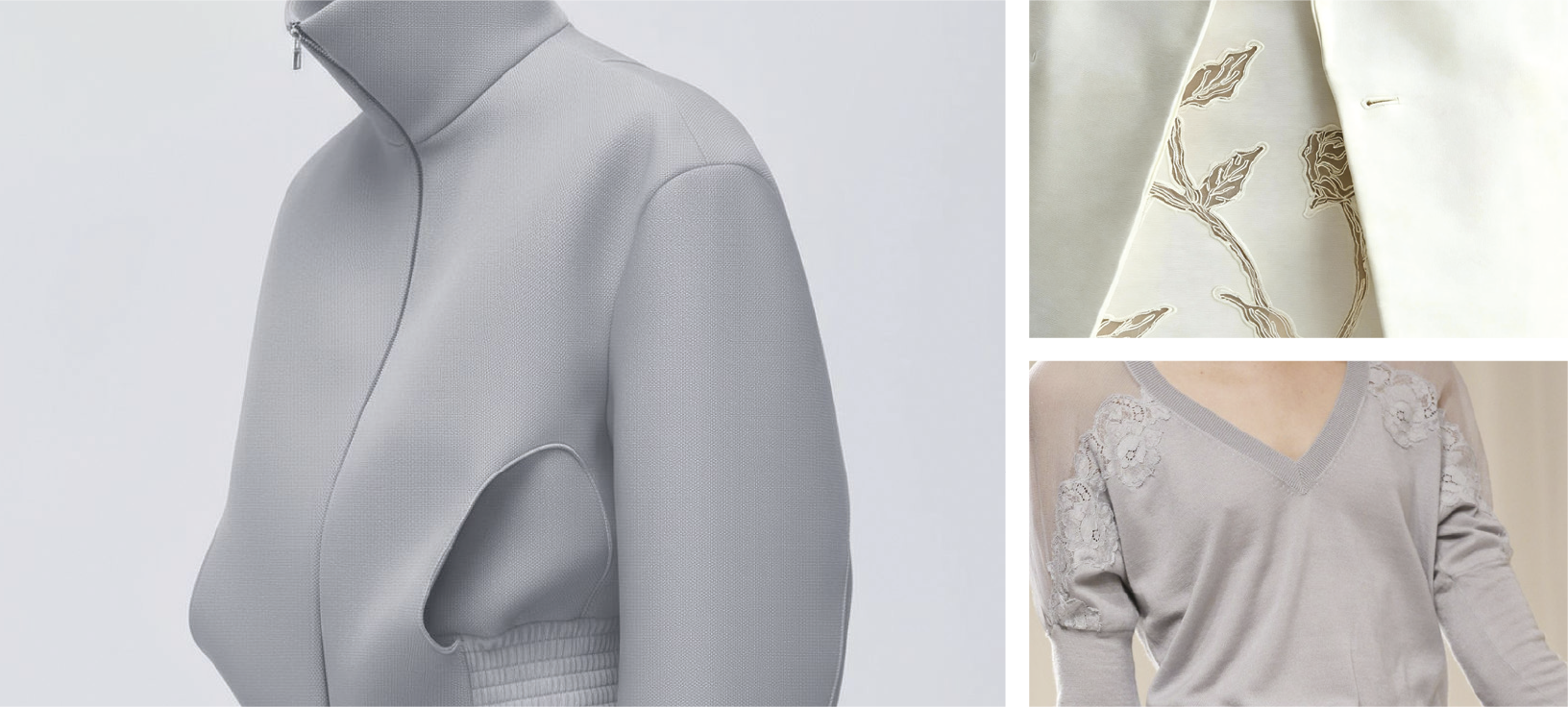
Hand feel and drape are not simply a function of total yarn denier—they are driven by denier per filament (DPF). Dividing fineness by filament count gives the DPF value that dictates bending stiffness. For ultra-soft lace, a DPF below 1.0 is ideal, whereas structured linings often perform best with a DPF between 1.5 and 2.0. Choosing the correct balance avoids fabrics that are either too stiff for delicate openwork or too limp for body shaping.
| Yarn Example |
Filament Count |
DPF (approx.) |
Typical Fabric Character |
| 20D |
24F |
0.83 |
Extremely soft, ideal for fine lace |
| 40D |
34F |
1.18 |
Soft and flowing, lightweight lining |
| 70D |
48F |
1.46 |
Balanced body, all-round interlining |
| 100D |
72F |
1.39 |
Slightly crisp, structured lining |
Typical DPF ranges and their influence on fabric hand for Nylon HOY Yarn applications
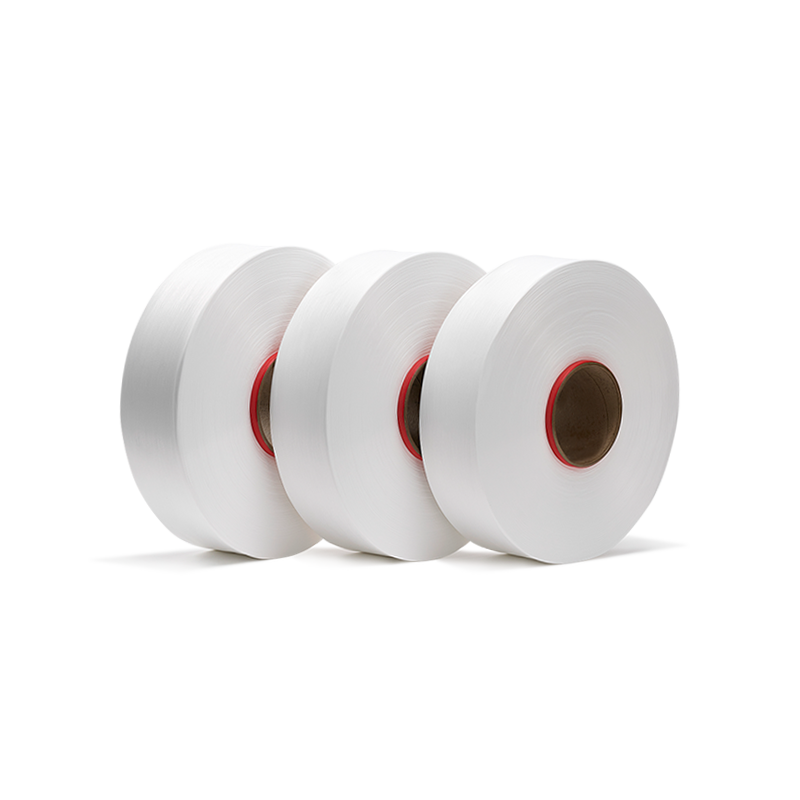
As a Nylon HOY Yarn supplier, Fangyuan offers a fineness range from 10D to 140D and filament counts from 5F to 96F. This breadth lets you fine-tune DPF without compromising production efficiency. Whether your goal is a whisper-soft lace ground or a crisp fusible interlining, matching denier and filament count gives you direct control over the final garment’s personality.
Luster Versatility: Using Full Dull, Semi-Dull, and Bright Nylon 6 HOY to Achieve Desired Visual Effects
The optical character of a fabric starts with the yarn’s luster level, which is governed by the titanium dioxide (TiO₂) content in Nylon 6 High Oriented Yarn. Bright variants contain virtually no TiO₂, producing a transparent, reflective sheen that amplifies the three-dimensional look of lace motifs. Full dull types incorporate a high TiO₂ loading to scatter light, delivering a deep matte finish preferred for suit linings and concealing underlayers. Semi-dull sits in between, offering a subdued natural gloss that works across fashion and intimate apparel.
| Luster Type |
TiO₂ Content (approx.) |
Visual Effect |
Common Application |
| Bright |
~0% |
High shine, crystalline |
Decorative lace, trim |
| Semi-dull |
~0.3% |
Moderate luster, natural |
Fashion lining, multipurpose |
| Full dull |
~1.5% |
Deep matte, non-reflective |
Suit lining, invisible backing |
Luster options for Nylon 6 HOY and their typical visual outcomes
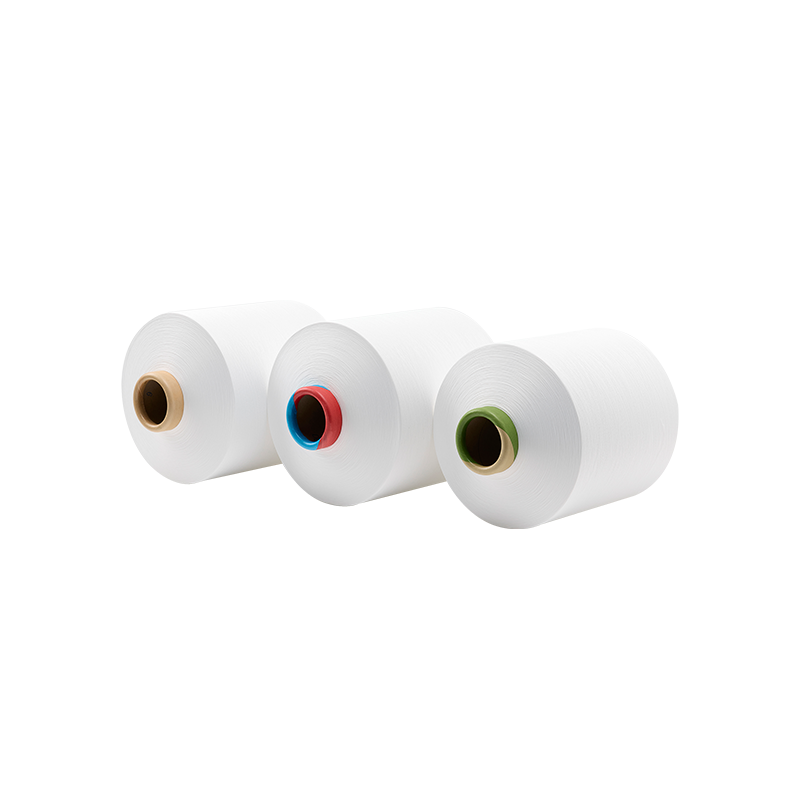
Fangyuan provides full dull, semi-dull and bright Nylon 6 High Oriented Yarn with precisely controlled TiO₂ levels, ensuring optical consistency from batch to batch. For projects requiring Nylon HOY with a specific luster-to-hand balance, selecting the right luster type early prevents costly re-sampling and shade mismatches in the finished garment.
From Polymerization to Yarn: How Full-Chain Control Enhances Nylon 6 HOY Batch Uniformity
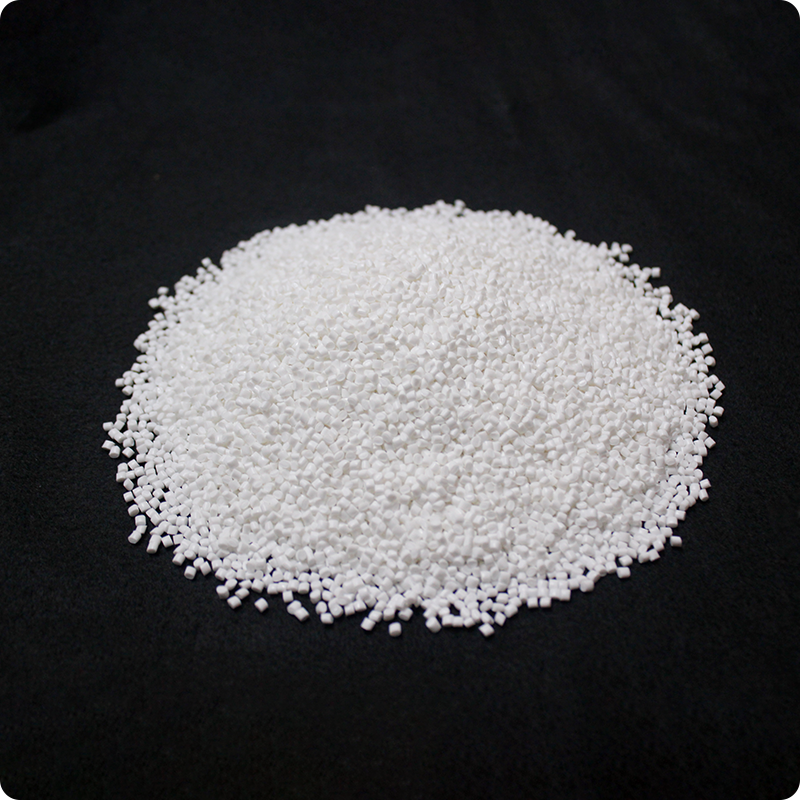
Uniformity in Nylon 6 HOY Yarn does not start at the spinning beam; it begins at polymerization. Viscosity fluctuations in the polymer chip, inconsistent additive dispersion, or thermal history variations carry through to filament elongation, dye uptake, and even package hardness. An integrated full-chain setup—where chip production, spinning, and draw-texturing are managed under one roof—closes the feedback loop and keeps critical parameters within tight lot-to-lot tolerances, often under 2% variation.
What Full-Chain Control Delivers
- Consistent relative viscosity that stabilizes orientation and dyeability
- Aligned thermal and tension profiles from melt to winder for repeatable physical properties
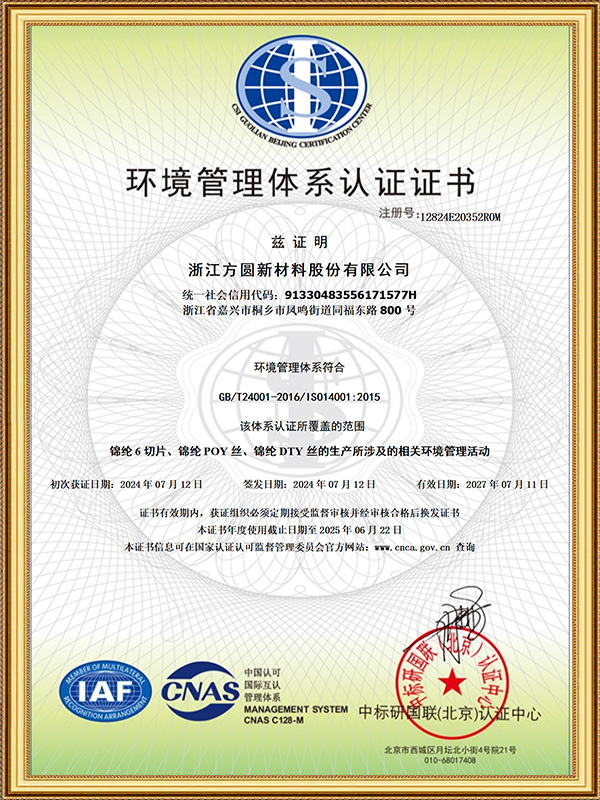
- Direct traceability from raw caprolactam to finished Nylon 6 HOY package
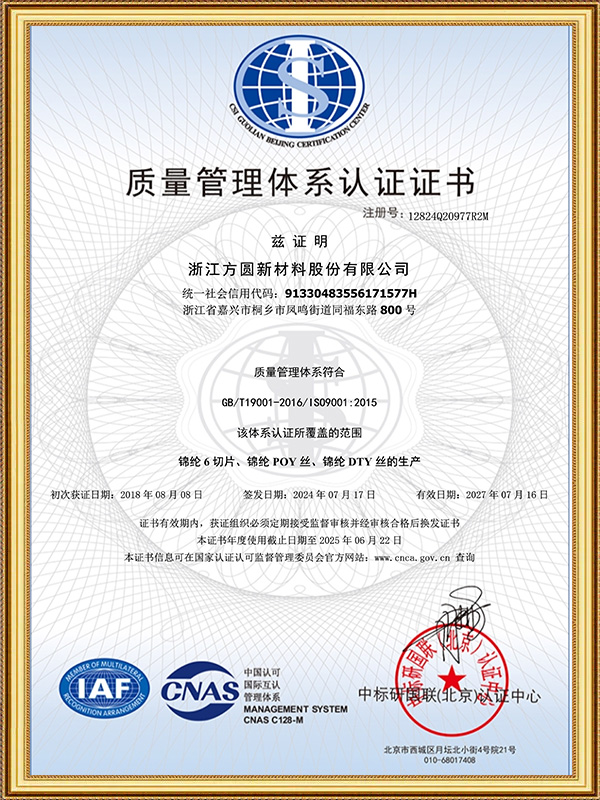
As a vertically integrated Nylon 6 HOY Yarn manufacturer, Fangyuan uses this control to support stable, efficient production on your knitting or weaving floor. The same integration applies to Nylon HOY Yarn produced for high-speed warp knitting, where even minor tension deviations can cause barre defects. By choosing a supplier that owns the entire chain, you replace variability with predictability and keep your downstream processes running without interruption.

 English
 Español
 عربى
عربى हिंदी
हिंदी