How High Orientation in Nylon 6 FDY Translates into Weaving Stability
In fully drawn yarns, the degree of molecular orientation directly shapes mechanical behavior. Higher orientation typically yields greater tenacity and reduced elongation, properties that support the high-speed demands of water-jet and air-jet looms. Yet the real challenge lies in orientation uniformity across the yarn package. Even small fluctuations can generate periodic tension peaks during unwinding, causing broken filaments, loom stops, or dye uptake variations that appear only after finishing.
Orientation consistency is therefore a critical quality metric, not just a lab value. When the polymer chains are aligned with minimal inter-filament deviation, the yarn package performs predictably from creel to cloth. At Fangyuan, we monitor orientation parameters at every spinning position so the Nylon 6 FDY you receive keeps inter-package variation exceptionally low. This directly helps weaving mills reduce unexpected machine interruptions and improve first-quality fabric output.
The Link to Dyeing Uniformity
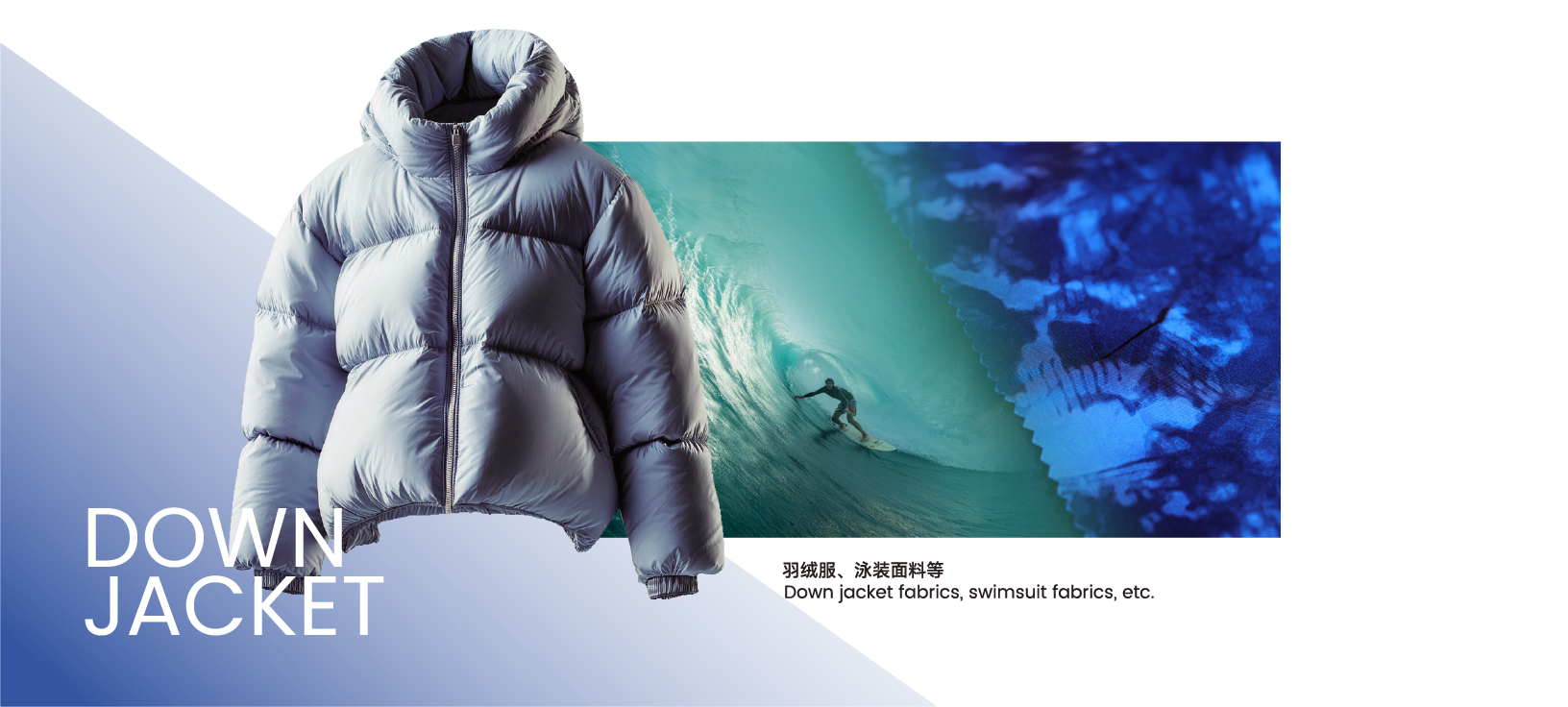
Orientation uniformity also underpins high dyeing uniformity. When the molecular arrangement is consistent across filaments, acid and pre-metallized dyes can diffuse at a similar rate, producing clean, level shades without the need for excessive leveling agents. This connection makes orientation control a key enabler for down jacket fabrics and swimsuit fabrics where vibrant, streak-free color is a must.
Fine-Tuning Fabric Hand and Cover with Nylon FDY Yarn Specifications
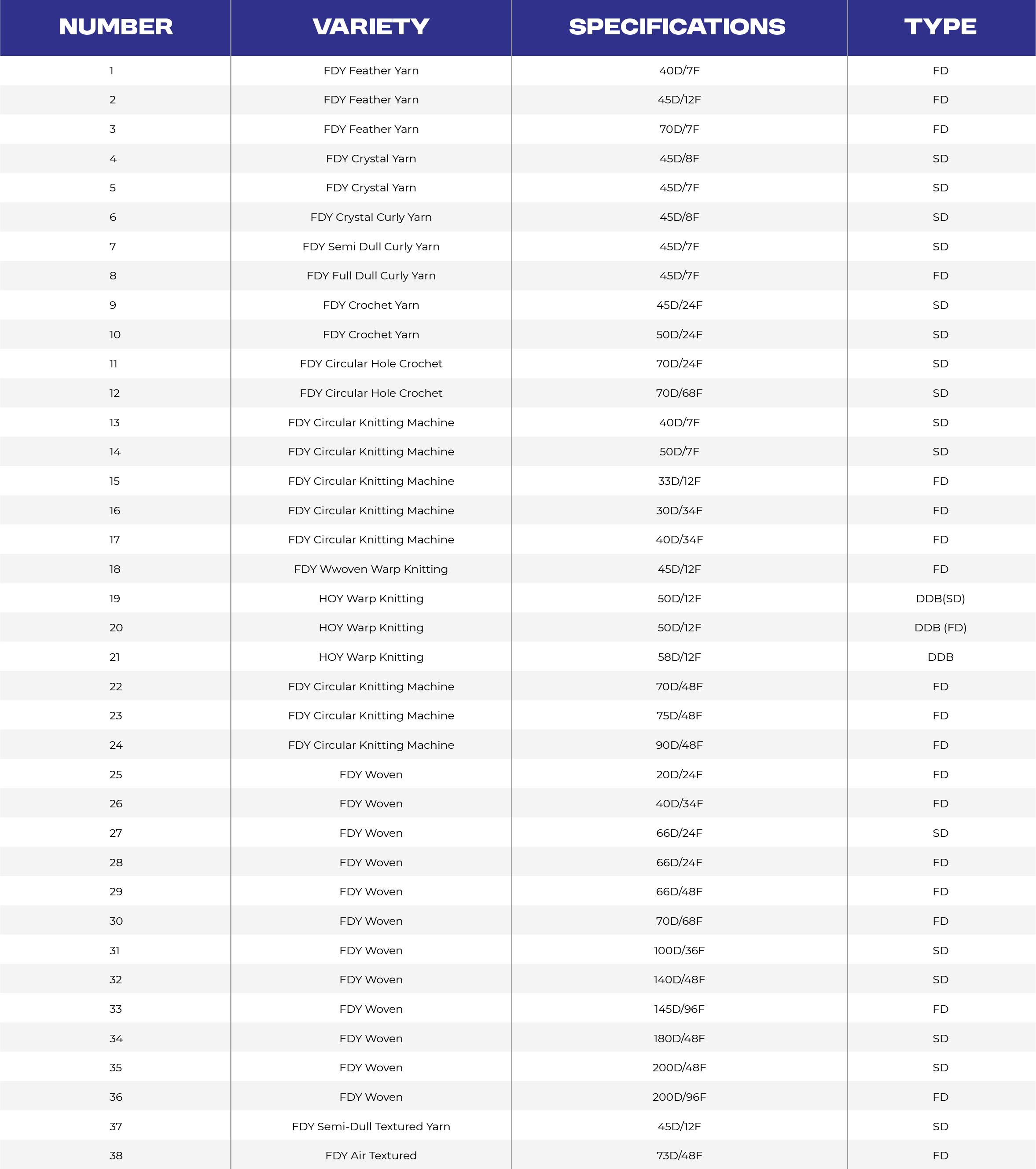
A fabric’s touch, drape, and visual cover are largely determined by the combination of yarn denier and filament count. The unit to watch is denier per filament (DPF), calculated as total denier divided by the number of filaments. A lower DPF produces a softer, more pliable fabric with better drape, while a higher DPF gives crisper handle and improved abrasion resistance. Balancing these attributes requires matching the DPF to the end-use – a task that rewards careful selection of Nylon FDY Yarn specifications.
Common Nylon FDY Yarn constructions and their typical fabric applications
| Denier (D) |
Filaments (F) |
DPF |
Typical Application |
| 20D |
7F |
2.9 |
Ultra-lightweight linings, down-proof interlinings |
| 40D |
34F |
1.2 |
Soft-touch down jacket shells, feather-tight fabrics |
| 70D |
48F |
1.5 |
Swimsuit fabrics, active sportswear with high recovery |
| 140D |
96F |
1.5 |
Structured outerwear, bags, and webbing-replacement fabrics |
With a fineness range spanning 20D to 280D and filament counts from 5F to 136F, our Nylon FDY Yarn portfolio lets you dial in the exact hand and performance your customers expect – without having to compromise on weaving efficiency or dyeing uniformity.
Choosing Between Full Dull, Semi-dull, and Bright Nylon 6 Fully Drawn Yarn
Luster level is not just an aesthetic choice; it influences dye uptake, fiber friction, and even the final fabric’s perceived quality. The difference comes from the amount of titanium dioxide (TiO₂) added during polymerization. Understanding these nuances helps you avoid costly development iterations.
Comparative overview of luster options available in Nylon 6 Fully Drawn Yarn
| Luster Type |
TiO₂ Content |
Visual & Tactile Character |
Preferred End-uses |
Dyeing Consideration |
| Full Dull |
High |
Matte, deep cover, slightly drier hand |
Down jacket fabrics, casual outerwear where a natural cotton-like look is desired |
Higher dye uptake rate; requires controlled strike to maintain levelness |
| Semi-dull |
Moderate |
Balanced luster, smooth hand, versatile appearance |
Swimsuit fabrics, sportswear, uniform linings |
Most forgiving in dyeing; standard processes yield good reproducibility |
| Bright |
None |
High transparency, brilliant shine, slick feel |
Fashionable trims, lingerie, high-end linings where color brilliance is essential |
Any filament irregularity becomes more visible; requires excellent spinning consistency |
Zhejiang Fangyuan New Material Co., Ltd. supplies Nylon 6 Fully Drawn Yarn in full dull, semi-dull, and bright options, backed by in-house polymerization so the TiO₂ dispersion remains uniform from chip to finished yarn. This translates directly into predictable luster consistency and dyeing behavior across production lots.
Why Full-Chain Production Control Reduces Risk in Nylon FDY Sourcing
When nylon filament yarn is sourced from converters who purchase third-party chips, traceability becomes fragmented. Even minor differences in polymer viscosity or amino end-group content can shift dye uptake and tenacity, forcing downstream manufacturers to recalibrate processes. Integrated production that spans polymerization, spinning, and texturing eliminates these gaps.
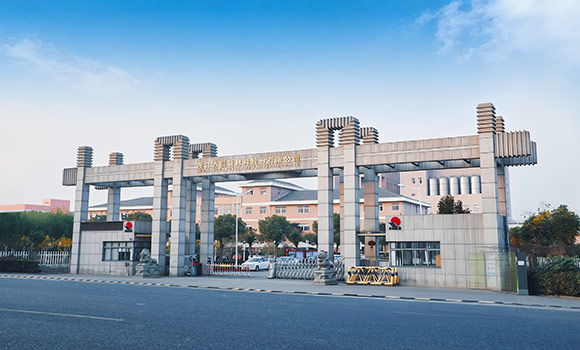
As one of the specialized Nylon 6 FDY Yarn Manufacturers in China, Fangyuan manages the entire chain inside a single facility in Tongxiang. This vertical structure allows us to tune polymer recipe for the specific downstream process – whether the yarn is destined for high-density down jacket fabrics or chlorine-resistant swimsuit fabrics. The result is our Nylon FDY exhibits tight batch-to-batch control in shrinkage, elongation, and dyeability, giving fabric mills the confidence to run long campaigns without unexpected shade drift.
Practical Support Beyond the Yarn
Supply stability extends to how we support technical decisions. From grade selection and process matching to consistent batch control and on-time logistics, our team stays responsive throughout your production cycle. For buyers evaluating Nylon 6 FDY Yarn suppliers, this combination of chain control and accessible technical service can mean the difference between continuous production and costly line stops.

 English
 Español
 عربى
عربى हिंदी
हिंदी