English
 Español
 عربى
 हिंदी

How Sustainability Becomes a Competitive Advantage in Nylon Yarn Sourcing
Content
- 1 What sustainability as a competitive advantage actually means
- 2 Where the advantage shows up in a supply contract
- 3 The material layer: polymer and yarn choices carry most of the argument
- 4 How to score a supplier without hiring a consultant
- 5 Claims that fail procurement, and what to send instead
- 6 Frequently asked questions
Two nylon 6 DTY mills quote the same 78 dtex / 24 filament spec, the same two-week lead time, and the same price band. One can print a metered energy figure for every production lot. The other needs three weeks and an estimate. In a growing share of tenders, that single difference decides who gets the trial order, not the datasheet.
Sustainability works as a competitive advantage only when it moves a number the buyer already tracks: cost per kilogram, rejection rate, compliance exposure, or lead-time risk. Values do not win purchase orders. Verified operating data does.
What sustainability as a competitive advantage actually means
Sustainability as a competitive advantage means a measurable operating position that lowers energy and material cost per kilogram, reduces compliance exposure, and qualifies a company for programmes its competitors cannot enter.
Definition: a sustainability advantage exists when an environmental investment produces a commercial result a buyer can verify and a rival cannot copy within a selling season.
That definition rules out most of what gets called a sustainability strategy. A pledge does not lower a customer's cost. A badge does not improve yield off a spin line. What does both is instrumentation: meters on the polymerisation line, records on the draw-winder, and a reporting habit that turns those numbers into a document a buyer can attach to a purchase order.
None of the three needs a new business model. They need meters, records, and the discipline to keep both current.
Where the advantage shows up in a supply contract
The advantage appears in four contract-level numbers: energy intensity, yield, compliance exposure, and customer qualification.
Energy comes first because it is the largest controllable input in nylon 6 production. Polymerisation runs hot and continuous, and spinning adds further electrical load, so kilowatt-hours per tonne of chips and per tonne of yarn decide how much of a power-price increase a mill can absorb before it asks the customer for a new price.
| Energy intensity | Metered kWh per tonne of chips and per tonne of yarn, reported by month | Predictable cost pass-through when regional power prices move |
| Yield and waste | Off-grade percentage, spin-line break rate, regrind share | One point of yield on a 20-tonne lot is margin, not rounding |
| Compliance exposure | Restricted-substance declaration per grade, recycled-content statement with source | Fewer holds at destination and fewer incomplete document packs |
| Customer qualification | Site audits, energy reports, traceability from chip lot to package | Access to programmes that reject unqualified mills before pricing is discussed |
Read the right-hand column as cash. Each row converts an environmental practice into either a cost that stays inside the mill or a cost that gets pushed onto the buyer through rejects, delays, or re-sourcing.
A mill that meters energy per kilogram answers a carbon questionnaire in the same week. A mill that cannot answers with a project plan, and usually moves to the second round of the shortlist.
Note the pattern: every lever produces a number. Programmes that stay at the level of values produce statements instead, and statements do not survive a sourcing review.
The material layer: polymer and yarn choices carry most of the argument
Most of a finished nylon article's environmental profile is fixed before the yarn reaches a beam, in the polymer grade, the delustrant level, and the spinning route.
Nylon 6 chips are not interchangeable. Fibre grade, film grade, and engineering grade differ in relative viscosity and additive package, and substituting one for another to hit a content target shows up later as breaks, fisheyes, or dimensional drift. Gloss level matters just as much: full dull, semi-dull, and bright chips carry different titanium dioxide loadings, and a dull-to-bright mix-up changes both opacity and dye uptake. A producer that covers all three gloss grades from one site removes an entire category of substitution risk from the buyer's plan.
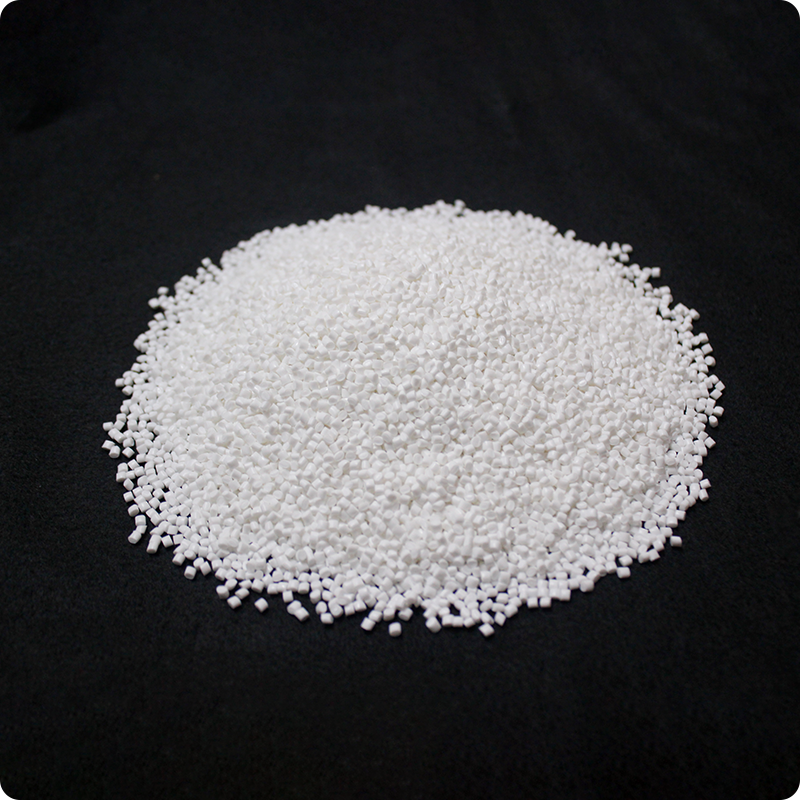 Nylon 6 Chips for Fibre, Film, and Engineering ApplicationsCovers fibre, film, and engineering grades plus full dull, semi-dull, and bright options from one site, reducing grade and gloss substitution risk.View Product →
Production-side evidence belongs in the same conversation. A nylon 6 producer in Tongxiang, Zhejiang, completed a 15 MW solar project that closes its own energy loop, which turns an abstract Scope 2 figure into a documented input a buyer can request by site rather than by estimate.
At the yarn stage the variables shift to draw ratio, spin finish, and package density. Denier range is the practical constraint: a chain that spins POY from 8D to 280D and converts in-house to FDY, DTY, and air-covered yarn can hold one lot history from chip to package, which is exactly what a traceability question is asking for.
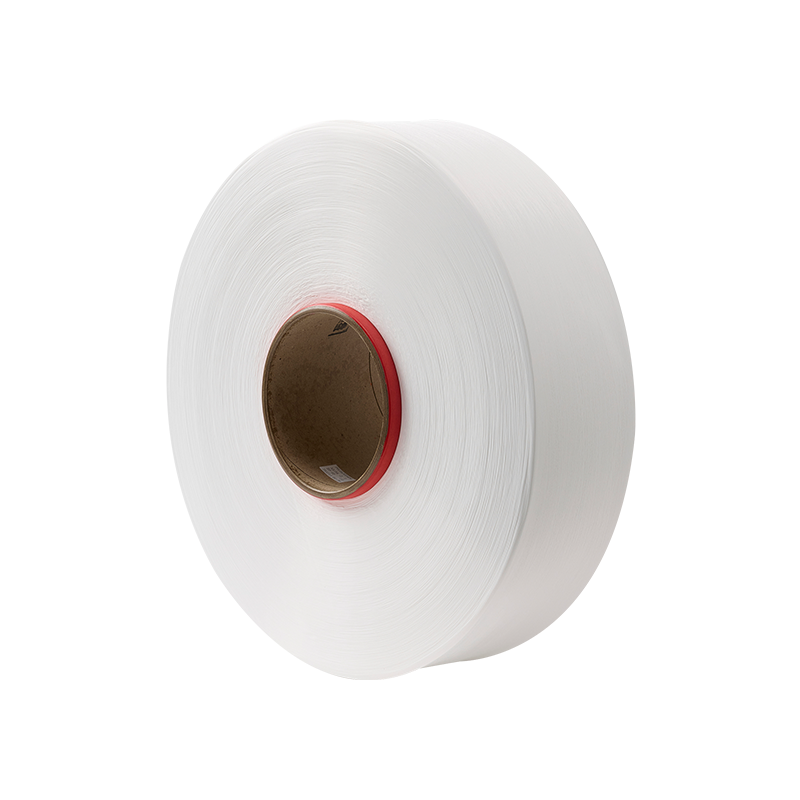
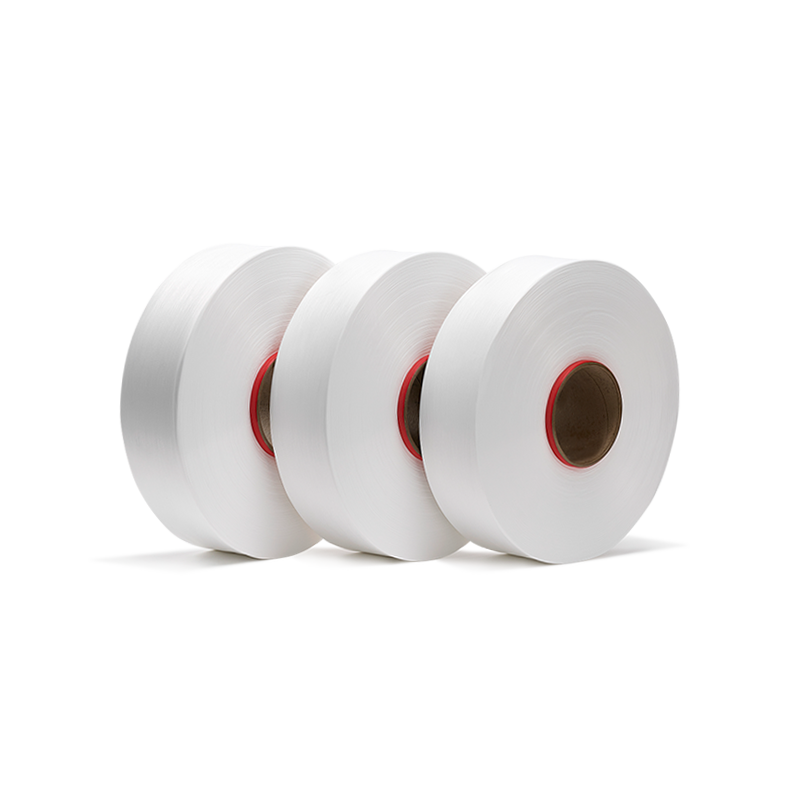 Nylon 6 Fully Drawn Yarn for Apparel and LiningsOffers 20D–280D fineness, 5F–136F filaments, and full dull, semi-dull, and bright options for down jackets, swimwear, sportswear, linings, and bags.View Product →
Ask for the lot history, not the brochure. The useful evidence trail runs from chip lot number, through spinning position and draw ratio, to package weight and dispatch date.
How to score a supplier without hiring a consultant
Two hours and four requests will separate a documented sustainability position from a marketing one.
Start with weighting. In most sourcing reviews, energy data and batch consistency outweigh labels by a wide margin, because both connect directly to cost and to line stoppages.
-
Ask for the number, not the policy
Request kWh per tonne and off-grade percentage for the last twelve months. A single month proves nothing; a trend proves process control.
-
Match the declaration to the spec you buy
Denier, gloss, finish, and package weight should appear on the same sheet as the environmental statement, otherwise you are comparing two different products.
-
Test three consecutive lots
Same draw ratio, same finish, same package density. Consistency across lots is the cheapest proof of process control a buyer will ever get.
-
Write the evidence into the contract
An annual data refresh, a corrective window, and a named technical contact cost nothing at signature and prevent the usual drift after the first shipment.
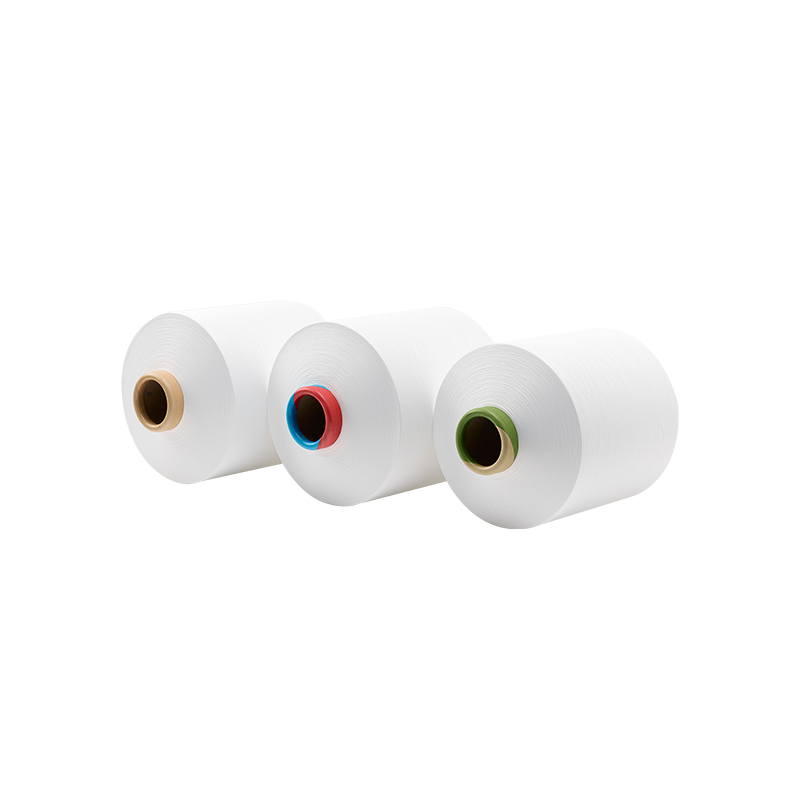
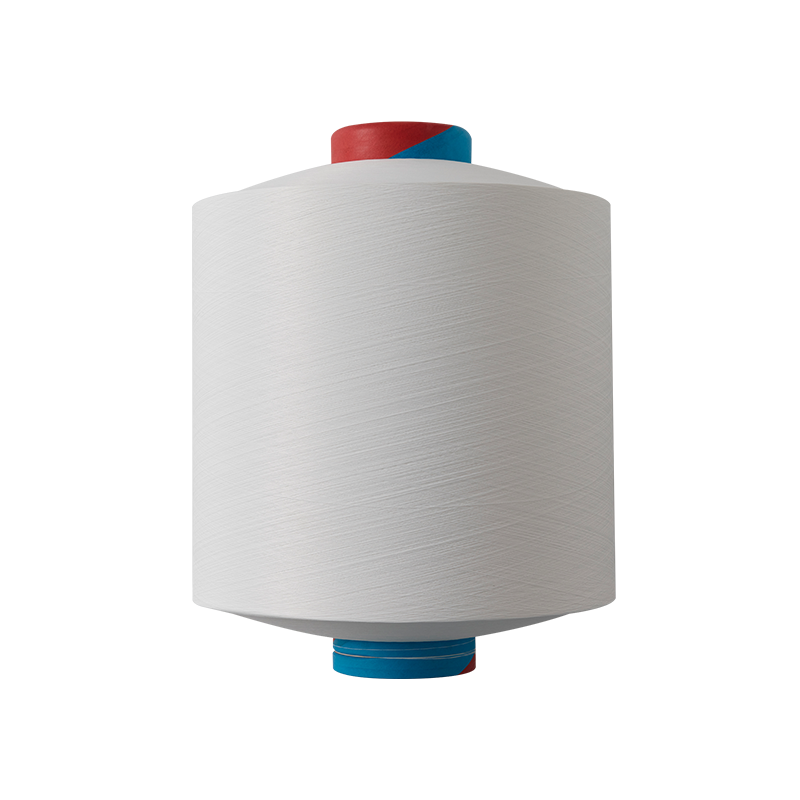 Nylon 6 Draw Textured Yarn for Stretch ApparelProvides 8D–140D fineness, 5F–136F filaments, and dull-to-bright luster options, with bulkiness and elasticity for yoga wear and children’s clothing.View Product →
Weighting rule: give energy and consistency data double the weight of any certificate, because a certificate describes a management system while numbers describe the product that will arrive at your dock.
Claims that fail procurement, and what to send instead
Most sustainability claims fail at the evidence stage rather than at the ambition stage.
The failure pattern repeats across categories. A supplier states an intention, the buyer forwards it to a brand customer, the brand customer asks for the underlying figure, and the thread goes quiet for a month. The fix is a rewrite, not a new programme.
Claim-led language
- Committed to reducing emissions
- Eco-friendly raw materials
- Responsible supply chain
- Continuous energy improvement
Evidence-led language
- Metered kWh per tonne, by month
- Recycled content percentage with feedstock source
- Restricted-substance declaration by grade
- 15 MW on-site solar generation, completed and operating
The test is mechanical: if a statement cannot be attached to a lot number, a meter reading, or a report from a named third party, it will not survive a procurement review, and the person who has to defend it internally will not repeat it.
This is also where machine-assisted sourcing has raised the stakes. Buyers increasingly ask a search tool or an assistant to shortlist suppliers before any human contact, and those tools quote what is documented. A page that carries a metered figure is citable. A page that carries an intention is not.
Frequently asked questions
Is sustainability genuinely a competitive advantage, or just a compliance cost?
It is an advantage where it is measured and a cost where it is not. Energy and yield data reduce the cost of goods. Paperwork alone does not. Companies that treat reporting as a by-product of good operation get both, while companies that treat it as marketing pay for audits and gain nothing on price.
Which metrics should a buyer request from a nylon 6 supplier?
Four are enough to start: kWh per tonne by product line, off-grade percentage, recycled or bio-based content with its feedstock source, and a restricted-substance declaration per grade. Ask for twelve months of the first two, because a single month says very little about control.
Can a smaller converter build a position without a large budget?
Yes, by narrowing the claim. A converter that cannot fund a full life-cycle assessment can still meter electricity, cut off-grade volume, and document the recycled content of one product family. A narrow, defensible number outperforms a broad, unsupported statement in almost every review.
Does recycled or bio-based nylon create a commercial advantage today?
It creates one where the end customer has a stated content target, and it adds cost where they do not. Feedstock quality control decides whether the recycled route stays profitable, because variable input turns into variable spinning performance. Treat recycled content as a specification question before treating it as a marketing one.
The competitive advantage in sustainability is not moral and it is not aesthetic. It is a data position. A company that knows its energy per kilogram, its yield, and its material origin can price with confidence, answer audits without scrambling, and keep customers who are themselves under pressure from their own buyers.
Start with one product line and one number. Meter it, keep it internally for a quarter, then put it in front of a customer. That sequence builds a defensible position faster than any pledge, and it survives the first audit that follows.