English
 Español
 عربى
 हिंदी
Made in green by oeko-tex: Applications, Selection Criteria, and Practical Guidance
Content
For nylon buyers, the label is not a substitute for a specification sheet. It is a supply-chain claim with a paper trail, and the paper trail is what makes it useful in a sourcing conversation.
What MADE IN GREEN by OEKO-TEX Actually Certifies
MADE IN GREEN by OEKO-TEX certifies a product, not a company, through three linked checks: harmful-substance testing, certified production sites, and traceability.
The label was introduced in 2015 for textiles and leather products. Its product ID connects a specific item to a tested article and to the facilities that manufactured it. That is why a valid label can survive a retail audit while a generic green hangtag usually cannot.
MADE IN GREEN is often discussed alongside OEKO-TEX STANDARD 100, but the two answer different questions. STANDARD 100 is the material-safety layer. MADE IN GREEN adds the production-site and traceability layers.
| Dimension | MADE IN GREEN | STANDARD 100 |
| Primary purpose | Product label for tested and responsibly made textiles or leather | Harmful-substance certification for articles and materials |
| Production site | Requires certified environmentally and socially responsible facilities | Does not certify facility-level production |
| Traceability | Product ID links the item to production stages and facilities | Certificate number and article scope support supplier checks |
| Buyer use | Consumer-facing claim with a public Label Check | Supplier-level evidence of material safety |
Why Nylon Supply Chains Need This Label
Nylon 6 supply chains need MADE IN GREEN because the label reaches into chip selection, spinning, texturing, and dyeing stages where sustainability claims are hardest to verify.
Nylon 6 is melt-spun, so the environmental questions sit close to the polymer and the spinning line: raw-material sourcing, spin finishes, delustrant handling, wastewater, energy use, and worker safety. A finished fabric can look identical whether those controls are in place or not. Certification gives the buyer a way to ask for evidence without auditing every site alone.
When a mill asks for certified nylon 6 chips, the useful question is not only whether the polymer is tested. It is whether the chip grade, the spinning site, and the lot records sit inside the certified scope.
 Nylon 6 Chips for Fiber, Film, and Engineering GradesFiber-, film-, and engineering-grade chips with controlled relative viscosity and lot-level validation for certified nylon sourcing and downstream processing.View Product →
How to Read a MADE IN GREEN Product ID
A MADE IN GREEN product ID is the fastest way to separate a genuine label from a decorative hangtag.
The ID is designed to be checked, not admired. Use the OEKO-TEX Label Check and compare the result with the commercial documents in front of you.
- Find the product ID. It is printed near the label, on the hangtag, or in the product data sheet.
- Check the official database. Enter the ID in the OEKO-TEX Label Check rather than relying on a supplier PDF.
- Match the product. Confirm fiber content, product category, colour, and article description against the order.
- Review the facilities. Compare the listed production sites and countries with the bill of materials and the actual supply route.
- Note the validity. Record the certificate numbers and expiry details, then set a renewal reminder before the next season.
What Buyers Should Ask Nylon Yarn Suppliers
Buyers should ask for the product ID, the facility list, and the certificate scope before they ask for a price concession.
A supplier that understands the label will answer these questions quickly. A supplier that treats the label as artwork will answer with a brochure.
Request in writing
- The MADE IN GREEN product ID and the exact product description.
- The certified facilities involved in spinning, texturing, and dyeing.
- The underlying STANDARD 100 certificate number and test scope.
- Lot-level traceability from chip lot to yarn lot.
- Current validity dates and the renewal owner.
Treat as a red flag
- A label image with no readable product ID.
- A certificate that names a different legal entity from the invoice.
- A scope that covers grey fabric but not the dyeing site.
- A claim that the whole company is certified without article-level evidence.
- Expired documents presented as current.
For textured nylon programs, the same logic applies to DTY: the yarn route, the texturing site, and the lot numbers need to line up.
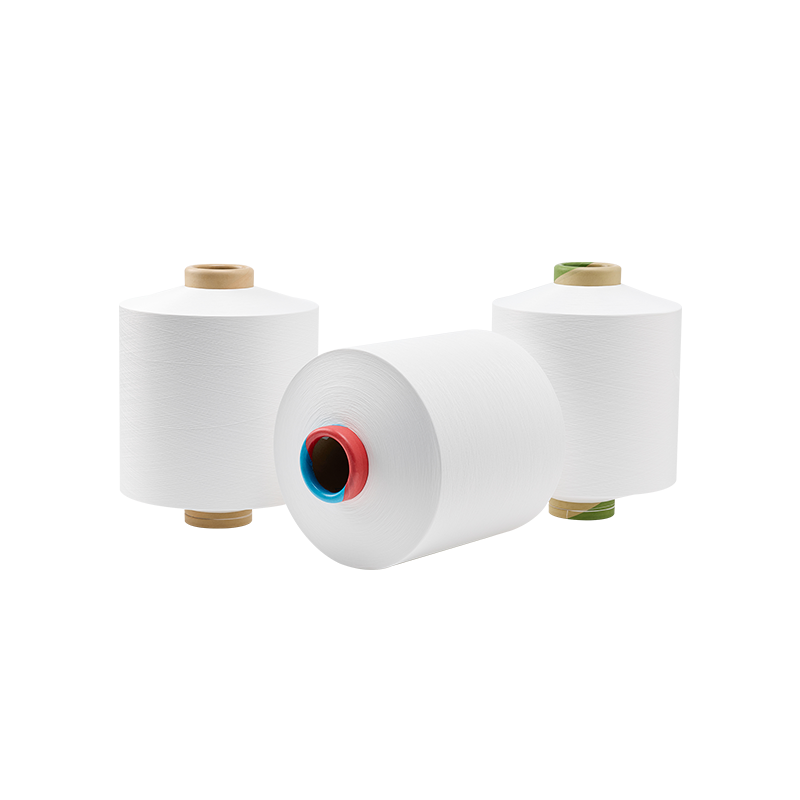
Nylon 6 Draw Textured Yarn for Stretch FabricsNylon 6 DTY with luster, fineness, and intermingle options for yoga and children’s wear, supporting yarn-route and lot traceability checks.View Product →
Where Certification Scope Usually Breaks
Certification scope usually breaks at subcontracting, at renewal dates, and at the point where a generic green claim replaces a specific product ID.
Scope is the detail that separates a useful label from a misleading one. A facility can be certified for one process and not another. A product can be tested and still sit outside the production scope. A certificate can be valid for one article number and irrelevant for the next.
Check that spinning, texturing, and dyeing sites appear in the certification documents.
Confirm the current status in the Label Check instead of trusting a printed copy alone.
Match the product ID to the invoice, the bill of materials, and the shipment records.
How Production Choices Support the Label
Production choices support MADE IN GREEN when they reduce the distance between the certified facility and the actual product route.
The work is unglamorous: chemical inventory, wastewater records, energy metering, worker training, and lot-level traceability. These are the records an auditor can test and a buyer can compare. They also make a supplier's environmental claims more specific, which matters when a brand customer asks for proof rather than a slogan.
Energy infrastructure can help. Zhejiang Fangyuan New Material, a nylon 6 chip and yarn producer in Tongxiang, reports a 15 MW solar project at its Tongxiang site as part of a green-energy production loop. Such investments do not replace certification, but they make the environmental pillar easier to document.
Frequently Asked Questions
Is MADE IN GREEN the same as STANDARD 100?
No. STANDARD 100 focuses on harmful-substance testing of articles and materials. MADE IN GREEN adds certified production sites and a traceable product ID, so it covers more of the supply chain.
Can a nylon yarn carry MADE IN GREEN?
Yes, if the final textile or leather product and its production route meet the label conditions. Yarn suppliers usually support the claim with tested material evidence, facility details, and lot traceability rather than by issuing the label themselves.
How long is a MADE IN GREEN label valid?
Validity is time-limited and tied to the underlying certificates and audits. Always confirm the current status in the OEKO-TEX Label Check instead of relying on a printed expiry date alone.
What should a buyer do if the product ID does not match?
Request a written explanation, the correct product ID, and the facility list. If the mismatch remains unresolved, treat the claim as unverified and hold the shipment or request replacement documentation.