English
 Español
 عربى
عربى हिंदी
हिंदी
Synthetic Fibers Disadvantages: Moisture, Static, Shedding, and Sourcing Risks
Content
What Counts as a Synthetic Fiber Disadvantage
A synthetic fiber disadvantage is any performance, environmental, or processing penalty that exists because the fiber is a manufactured polymer rather than a grown one. In practice those penalties cluster into five families: environmental persistence and microfiber release, low moisture regain with the static and comfort problems it creates, thermoplastic behavior under heat, surface and pilling behavior, and lot-to-lot variability in the polymer supply chain.
The list is not a verdict on every fabric. Polyester staple spun into a 30s knitting yarn and a 70D/24F nylon 6 filament share a word and almost nothing else at fiber level. Most complaints labeled synthetic are complaints about one specific property, which means they can usually be answered with one specific choice.
Environmental Persistence and Microfiber Release
The environmental side is where synthetic fibers have the weakest case, because the property that makes them durable in use is the same one that makes them persist after disposal and fragment into microfibers during laundering.
Shedding is uneven across the category. A continuous filament yarn has few free fiber ends and releases less in the wash than a spun staple yarn of the same polymer and weight. Cutting, brushing, tumbling, and any mechanical finishing step create the loose ends that later come off in a domestic machine. Published laundering studies have measured fiber release in the hundreds of thousands of fragments per wash for some acrylic and polyester knits, and the fraction below 500 micrometers is small enough to pass through typical wastewater treatment.
Recycled feedstock improves the raw-material story but does not change shedding behavior. Mechanical recycling shortens polymer chains and usually produces staple fiber again, so the release profile can look worse than the virgin filament it replaced. For a closer look at the numbers behind fiber release, this review of microplastic shedding in synthetic textiles is a useful starting point.
Comfort, Static, and Heat Limits in Real Garments
In wear, the practical drawbacks are low moisture regain, static buildup, pilling, and heat sensitivity, and their severity depends far more on polymer and yarn structure than on the word synthetic.
- Moisture regain near 0.4 percent, so sweat stays on the skin
- Static charge builds fast in dry air and attracts lint
- Free fiber ends migrate and pill at abrasion points
- Softening and glazing begin at low iron temperatures
- Hand feel stays slick unless finished or blended
- Regain of 4.0 to 4.5 percent gives a drier, less clingy feel
- Higher conductivity lets static dissipate faster
- Continuous filament has few free ends and pills far less
- A heat-setting window near 180 to 220 C suits textured yarns
- Hand is engineered through texturing and filament count
Why moisture regain drives most comfort complaints
Moisture regain sets how a fiber behaves against skin. Higher regain means the fiber absorbs and releases vapor, which lowers cling, reduces the sensation of dampness, and slows static buildup. That single number explains why a nylon 6 filament feels different from a polypropylene knit even when both are fully synthetic.
Pilling, shine, and heat behavior
Pilling is a fiber-end problem rather than a polymer problem. Spun staple yarns hold thousands of short fibers, and abrasion pulls the loose ends into surface balls. Shine is a cross-section and delustering issue, which is why semi-dull and full-dull titanium dioxide grades exist. Heat sensitivity is a thermoplastic fact: temperature, dwell time, and tension together decide whether a fabric glazes, shrinks, or takes a stable set.
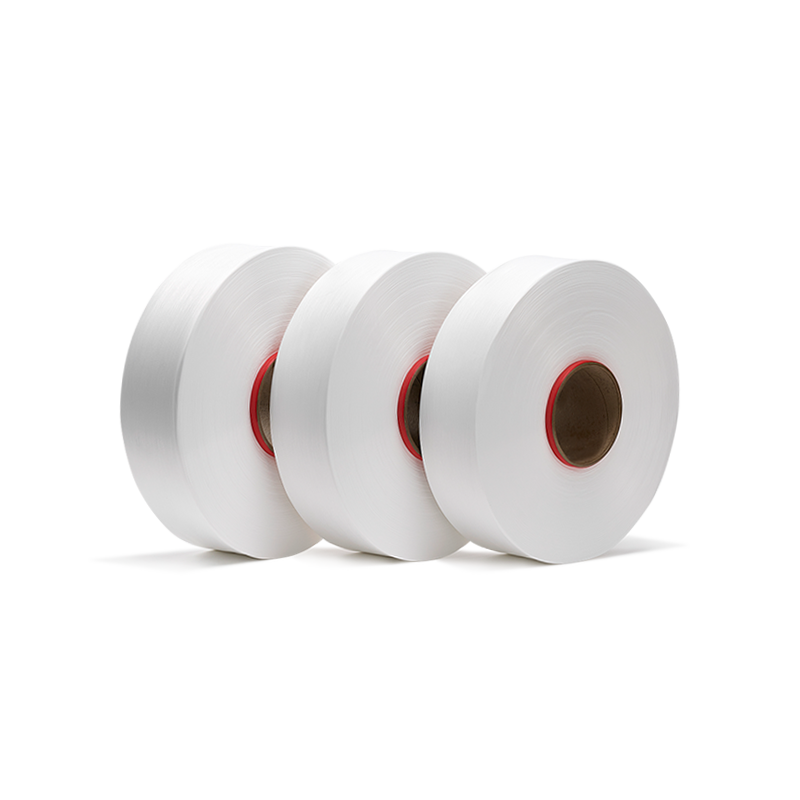 Nylon 6 Partially Oriented Yarn for DTY ProductionLuster grades, fineness range, and controlled relative viscosity support consistent texturing for downstream nylon DTY.View Product →
Processing and Sourcing Risks Buyers Underestimate
The synthetic fiber costs that show up on a production report come from variability, finish control, and heat exposure, not from the polymer category itself.
| Drawback | Fiber-level cause | What to specify |
| Static and lint attraction | Very low moisture regain and high electrical resistivity | Antistatic spin finish, higher filament count, verified oil pick-up percentage |
| Pilling and surface fuzz | Free fiber ends on spun staple with low fiber tenacity | Continuous filament or low-pill staple, twist level in TPM, abrasion testing before bulk |
| Glazing and permanent shine | Thermoplastic softening with a uniform circular cross-section | Semi-dull or full-dull titanium dioxide grades, heat setting kept inside the safe window |
| Dye shade variation | Batch differences in relative viscosity and moisture content | Lot-level viscosity and moisture data, capped denier variation, re-approval on grade change |
| Unexpected shedding | Fine filaments plus mechanically damaged fiber ends | Structure and wash program review, filament count check, controlled finishing steps |
The pattern behind all five rows is the same: a property that is easy to leave loose at the chip stage becomes expensive at the finishing stage, and impossible to correct at the garment stage.
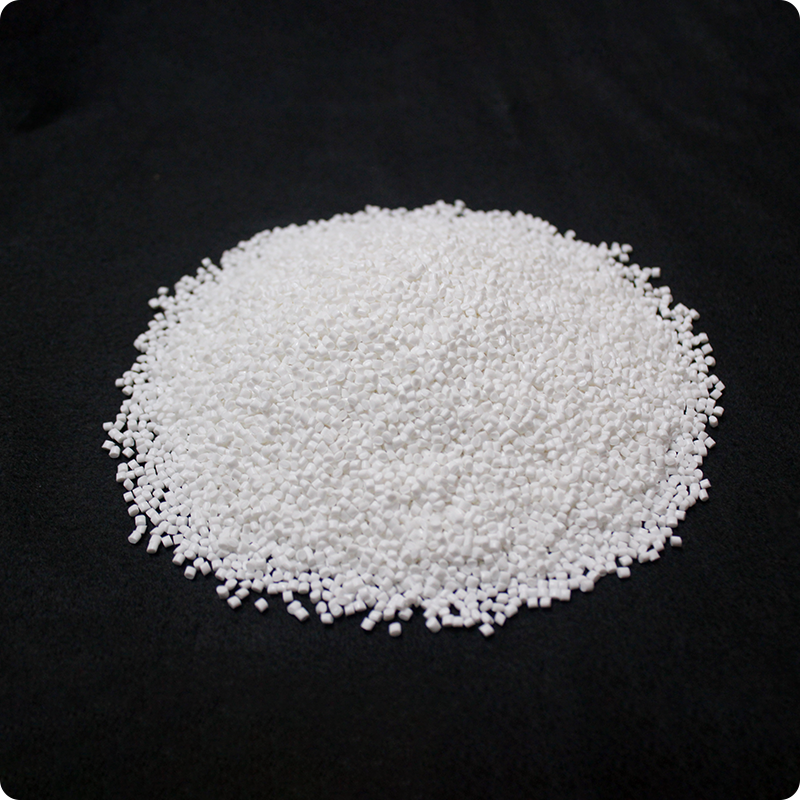 Nylon 6 Chips for Fiber, Film, and Engineering GradesFiber, film, and engineering grades with controlled RV deviation and modification guidance support downstream spinning and compounding specifications.View Product →
Specifying Around the Downsides
Most of these drawbacks can be reduced at the specification stage, before a meter of fabric exists, by turning each complaint into a number that can be written into a purchase specification.
Supplier capability matters as much as the specification sheet. Working with a nylon 6 chip and filament producer that reports lot-level viscosity, moisture, and denier data turns a vague quality conversation into a measurable one, and that is what makes the mitigation steps above hold up in production rather than only in a sample room.
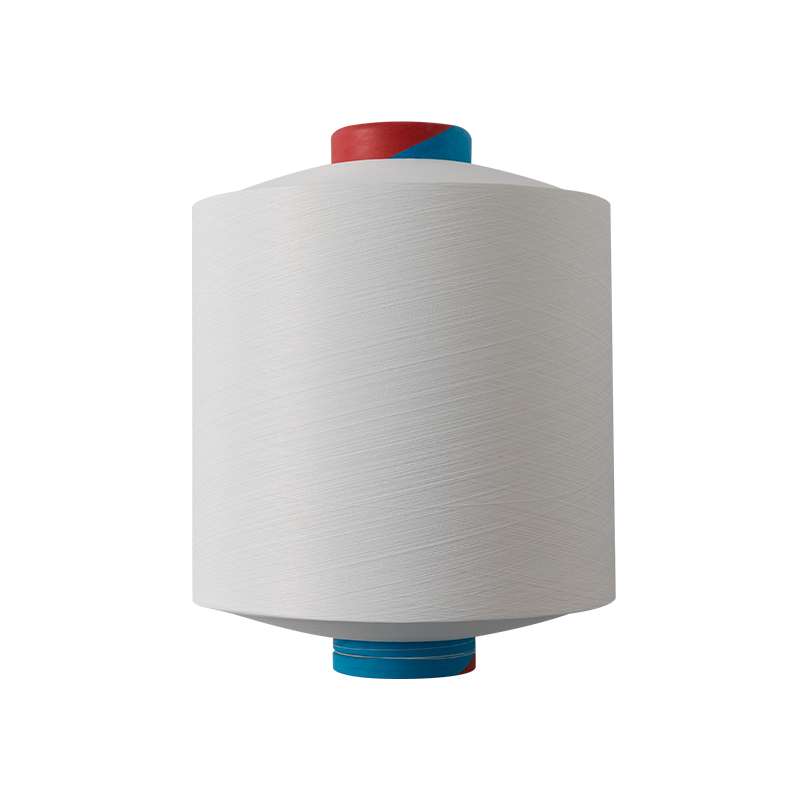 Nylon 6 Draw Textured Yarn for Stretch FabricsLuster options, DPF examples, and crimp stability guidance support yoga wear, children’s clothing, and other stretch fabric development.View Product →
Common Questions About Synthetic Fiber Drawbacks
Are synthetic fibers always worse for the environment than natural fibers?
No, but the advantage usually sits in a different column. Cotton and viscose biodegrade and hold more moisture, while they typically need more land, water, and processing chemistry. The fair comparison is per wear and per wash rather than per kilogram, and on that basis the shedding profile of the fiber and the number of times the garment is actually worn matter more than the polymer label.
Is nylon 6 better than polyester for comfort?
For moisture and static, yes. Nylon 6 regains roughly ten times more moisture than standard PET, so it feels less damp and holds less static charge. The trade-off is heat sensitivity, which means finishing temperatures and iron settings have to be controlled more tightly than they would be for polyester.
How do I reduce pilling in a synthetic knit?
Move away from spun staple where the application allows, or specify a low-pill staple with controlled tenacity and twist. Pilling comes from free fiber ends, so continuous filament yarns, higher twist, and a tighter fabric structure all reduce it. Abrasion testing during development costs far less than a claim after shipping.
Do all synthetic fibers shed microplastics?
All of them can shed, but the amount varies with structure. Continuous filament fabrics release far less than spun staple fabrics of the same weight, while fine denier filaments produce more fragments per gram and a smaller average fragment size. Longer filaments, tighter constructions, and gentler wash programs all reduce release.