English
 Español
 عربى
عربى हिंदी
हिंदी
Recycled Nylon: Feedstock Options, Quality Control and Buyer Sourcing Tips
Content
Recycled nylon can match virgin nylon on tensile strength, abrasion resistance and stretch recovery, but only when the feedstock, recycling route and batch controls are specified as carefully as the fabric itself. That is the short answer. The longer answer matters just as much for anyone buying yarn or chips: nylon is a thermoplastic, so it can be re-melted and reprocessed, yet the two main recycling routes do not behave identically on the machine. A mill that switches from virgin nylon 6 to a poorly controlled mechanical grade often discovers the problem at the dyeing stage, when shades drift between lots instead of holding to the approved standard. This guide sets out where recycled nylon comes from, how the recycling routes differ, where the material performs best, and what buyers should verify before signing a supply contract.
Where Recycled Nylon Comes From
Every kilogram of recycled nylon starts as waste that would otherwise be landfilled or incinerated. The industry divides that waste into two families, and the difference between them shapes both price and traceability.
Pre-Consumer (Post-Industrial) Waste
Pre-consumer waste is generated inside factories before anything reaches a shopper: spinning waste, yarn offcuts, polymerization residue and trimmings from cutting rooms. Because it is clean, sorted and available in steady volumes, it is the most common feedstock for mechanically recycled nylon today. Supply is reliable, but the material carries the thermal history of its first processing, which has consequences for quality later in the chain.
Post-Consumer Waste
Post-consumer waste covers discarded fishing nets, old carpets, used garments and end-of-life industrial parts. Recovering nylon from these streams requires collection, sorting and cleaning, which raises cost but delivers a stronger sustainability story and relieves real waste pressure. Nylon 6 is especially well suited to this route: heated in the presence of water or steam, it depolymerizes back into caprolactam, the monomer it was originally built from, which can then be purified and repolymerized. Nylon 6,6, produced from hexamethylenediamine and adipic acid, has no comparably clean path back to its monomers, so most of it is recycled mechanically, if at all. For a step-by-step walkthrough of the conversion process, this guide to how recycled nylon is made, from waste to finished yarn, is a useful starting point.
Mechanical and Chemical Recycling: What Changes in the Yarn
Mechanical recycling sorts, cleans and grinds waste into regrind, then melts and re-extrudes it. It is cheaper and uses less energy, but every re-melt shortens some polymer chains, so relative viscosity drops and varies more from batch to batch. Producers compensate by blending feedstock and filtering the melt, which works well when the incoming waste is uniform, one reason pre-consumer waste dominates this route.
Chemical recycling takes nylon 6 waste apart at the molecular level. Depolymerization returns the material to caprolactam, purification strips out dyes and contaminants, and repolymerization builds a fresh polymer with a molecular profile close to virgin. The result is yarn that dyes and runs like virgin, at a higher cost and with a larger processing footprint. Whichever route is chosen, everything a spinner melts starts from polymer chips, and the consistency of those chips, including moisture, relative viscosity and extractables, decides how stable the spinning process will be. That is why chip quality deserves as much scrutiny as the recycled-content claim itself.
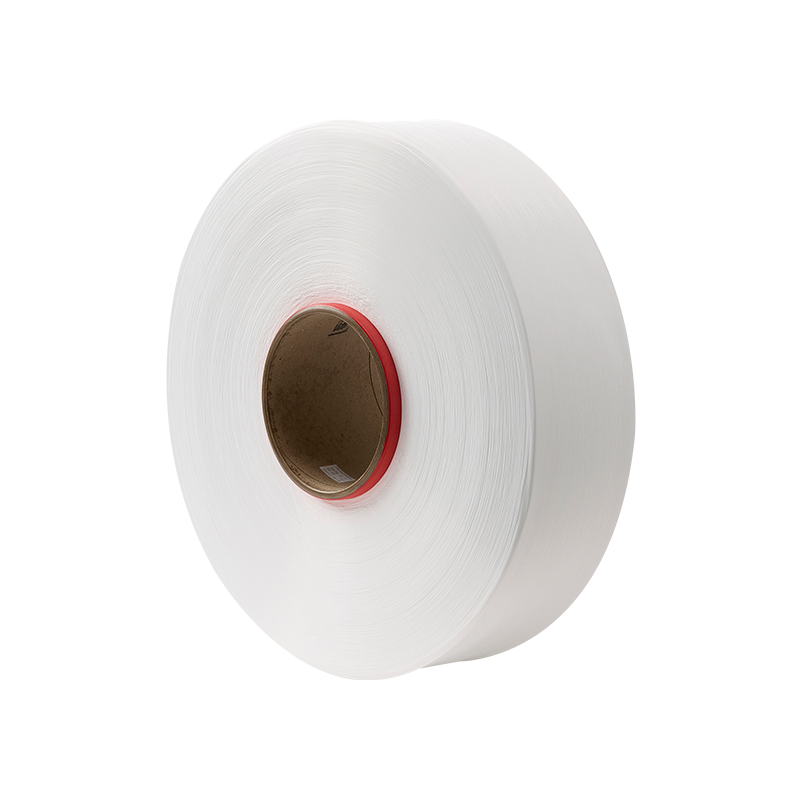
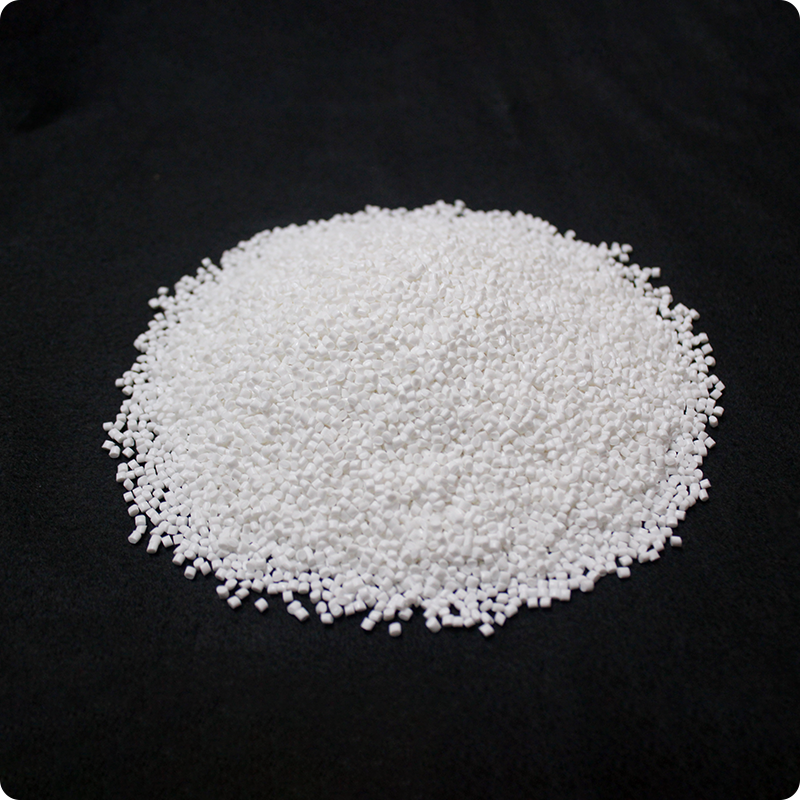 Fiber-Grade Nylon 6 Chips for Stable SpinningChip quality—moisture, relative viscosity and extractables—directly determines spinning stability in any nylon program, virgin or recycled, which makes consistent polymer chips a sourcing priority alongside recycled-content claims.View Product →
| Attribute | Virgin Nylon 6 | Mechanically Recycled | Chemically Recycled |
|---|---|---|---|
| Feedstock | Petrochemical caprolactam | Sorted pre- or post-consumer regrind | Waste depolymerized and purified to caprolactam |
| Polymer consistency | Baseline | Lower and more variable after re-melting | Close to virgin after repolymerization |
| Shade repeatability | Tightest lot-to-lot control | Wider drift; needs batch testing | Near-virgin when purification is thorough |
| Typical cost position | Benchmark | Equal to slightly lower | Higher |
| Traceability | Not required | GRS or RCS certification recommended | GRS or RCS certification recommended |
Where Recycled Nylon Performs Best
Because recycled nylon 6 keeps the chemistry of the original polymer, it fits the same end uses as virgin material: swimwear and activewear that face chlorine and repeated stretching, hosiery, seamless knitwear, luggage and backpack fabrics that live on abrasion, outdoor shells, and industrial webbing. Recycled content does not change what the finished article can do; it changes where the polymer came from. What does differ between programs is yarn construction. Smooth, uniformly oriented filament is what woven luggage fabric, webbing and ripstop shells require, and that is precisely the job fully drawn yarn is made for.
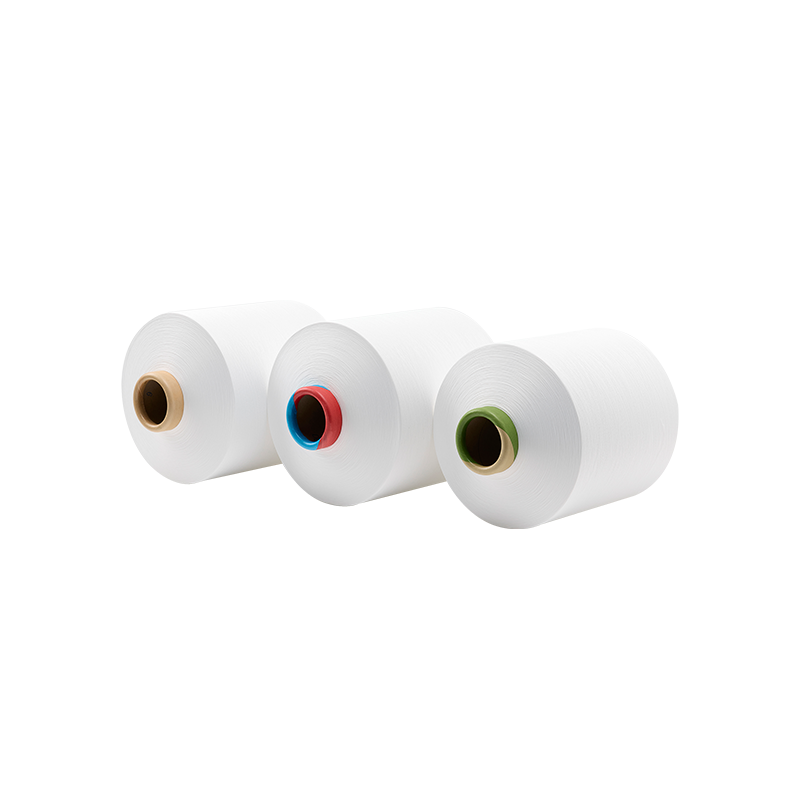
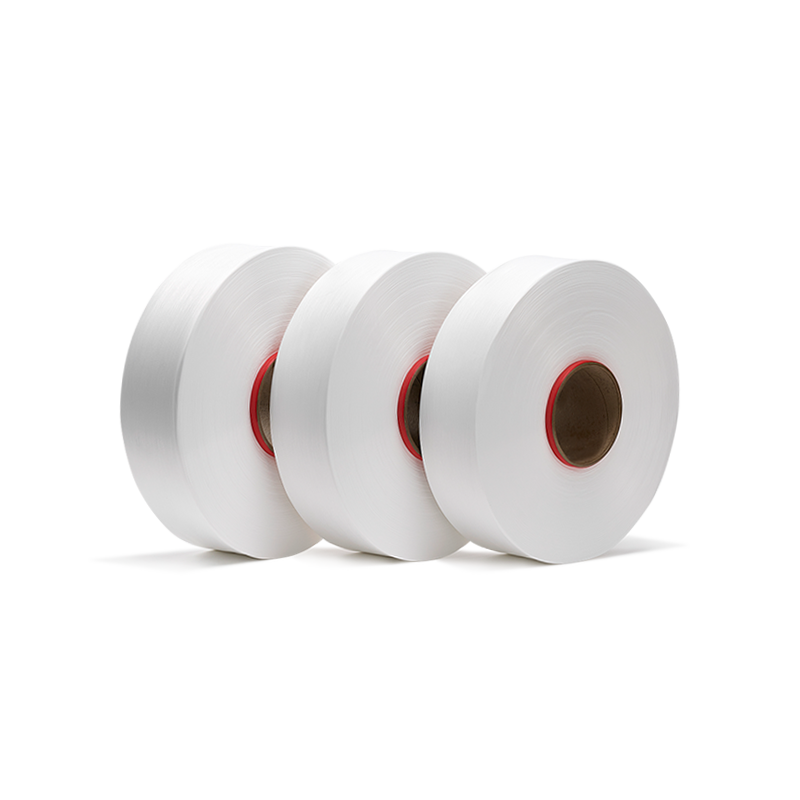 Nylon Fully Drawn Yarn for Woven and Ripstop FabricsWith high orientation and dyeing uniformity, this smooth filament suits woven luggage fabric, webbing and ripstop shells, and recycled nylon 6 keeps the same chemistry, so it fits these same demanding end uses.View Product →
Yarn Construction Decides the Hand
Recycled content and yarn construction are separate sourcing decisions. Draw textured yarn carries crimp and bulk into the fabric, which gives sportswear, socks and seamless styles their loft and recovery. When a mill runs a recycled program on this construction, texturing parameters usually need retuning, because recycled feedstock can shift shrinkage behavior slightly. Covered constructions add another layer: air-covered yarn wraps spandex with nylon during jet covering, so the recycled filament must feed evenly or coverage breaks appear as streaks in the finished fabric. For stretch-led recycled programs, this construction is usually the starting point.
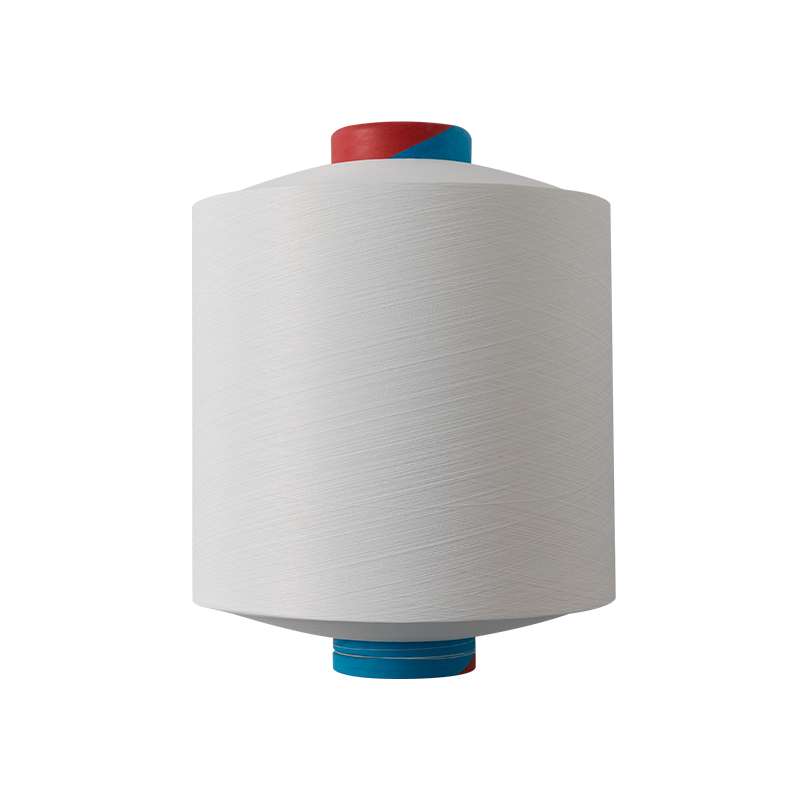 Nylon Draw Textured Yarn for Stretch and BulkIts crimp and bulk give sportswear, socks and seamless styles loft and recovery; recycled feedstock may shift shrinkage slightly, so texturing parameters typically need retuning when running recycled programs.View Product →
A Sourcing Checklist for Recycled Nylon Programs
Most problems with recycled nylon trace back to unverified claims rather than the polymer itself. Five checks keep a program on solid ground:
- Ask for the recycling route and feedstock origin in writing, covering mechanical or chemical processing and pre-consumer or post-consumer sources, and make it part of the specification.
- Request certification under GRS (Global Recycled Standard) or RCS (Recycled Claim Standard), and confirm the certificate covers the specific grade and volume you buy, not just the company name.
- Set batch specifications for relative viscosity, moisture and extractables, and require test reports with each lot so drift is caught before spinning rather than after dyeing.
- Pilot the yarn on your own machines and compare dye uptake, shrinkage and tenacity against your current virgin reference before committing volume.
- Agree on a shade-matching and lot-change policy in advance, since recycled lots vary more than virgin ones and disputes are cheaper to prevent than to settle.
Suppliers matter as much as specifications here. A producer that controls the chain from polymerization through drawing and texturing can hold tolerances at several steps instead of one, and can match grades to a customer's process rather than pushing a stock item. Zhejiang Fangyuan New Material Co., Ltd. works in exactly this way: the company produces nylon 6 chips across full-dull, semi-dull and bright varieties, spins POY with a range covering 8D to 280D alongside HOY and FDY, and processes DTY and air-covered yarn on the same site, with batch control, grade selection support and on-time delivery aimed at downstream manufacturers.
Sustainability Beyond the Recycled Label
Recycled content is one lever among several. Polymerization and spinning are energy-intensive, so the power source behind the yarn affects the footprint as much as the feedstock does. Fangyuan has acted on this front as well: the company completed a 15MW solar project that feeds renewable electricity into its production loop, pairing lower-impact energy with material efficiency on the factory side. Industry-wide, attention is also turning toward bio-based and recycled technologies as the next stage of nylon innovation, and buyers who track both feedstock and energy will be better positioned as regulations on textile claims tighten.
Recycled nylon is production-ready today, but it rewards disciplined sourcing: decide the recycling route first, demand certification and batch data second, and qualify the yarn on your own equipment before committing volume. Buyers who take those steps get fabric that behaves like virgin nylon with a materially smaller footprint, supported by a supply relationship built on verifiable facts rather than labels. If you are evaluating nylon 6 chips or filament for a recycled or conventional program, Fangyuan's team can discuss grade selection, process matching and batch consistency for your specific end use, and you can reach them through the inquiry channels on the company's website.