English
 Español
 عربى
عربى हिंदी
हिंदी
Does Polyester Have Microplastics? Facts About Shedding, Risks, and What to Buy
Content
Yes, polyester contains microplastics—not as an added ingredient, but because polyester itself is a plastic fiber. When a polyester garment is washed, worn, or even agitated in a dryer, small fiber fragments break off. These fragments are microplastics. In this article, we look at why polyester sheds microplastics, what studies have found, and how you can reduce your exposure while choosing more durable materials.
Why Polyester Sheds Microplastics
Polyester is made by melting polyethylene terephthalate (PET) and extruding it into thin filaments. Those filaments can be used as continuous thread or cut into short staple fibers. In both forms, the yarn is composed of plastic. Friction from normal movement and from machine washing creates mechanical stress on the fabric. Wherever the yarn weakens, a filament snaps. Over time, loose ends accumulate on the surface and then wash or brush away.
The washing machine is the most aggressive source. A single load of synthetic sportswear can release thousands of fibers through detergent action and spinning. Even in dry conditions, wearing a polyester jacket or sitting on a polyester sofa can abrade the fabric and release microfibers into the air. The mechanism is the same for other synthetic fibers such as nylon and acrylic.
One important distinction is filament vs. staple. Continuous filament yarns shed less than staple yarns because there are fewer fiber ends protruding from the fabric. Brushed or fleece fabrics are especially prone to shedding because their raised surface creates more exposed fiber tips and more breakage.
What the Research Says About Release Rates
Laboratory estimates vary widely, but they all point to the same conclusion: a normal polyester garment releases a substantial number of microplastic fibers over its life. One frequently cited study reported roughly 1,900 fibers per wash, while later research found numbers ranging from hundreds to millions depending on the testing methods and fabric types.
A particularly important finding for buyers is that recycled polyester may shed more than virgin polyester. In one comparison, recycled polyester garments released about 55% more microplastic particles during washing than identical items made from virgin polyester. The likely reason is that recycled polymer chains are shorter and less regular, making the filaments more brittle. This does not mean recycled polyester is bad in every case; it simply means the label “recycled” is not a guarantee of lower shedding.
Health and Environmental Concerns
Microplastics have been found in human blood, lung tissue, placentas, and indoor dust. Polyester, nylon, and other synthetic fibers are among the most common polymer types detected. The health effects are still being studied. Some researchers are concerned that these particles can trigger inflammation or act as carriers for chemical additives. So far, the evidence is not strong enough to prove that polyester microfibers cause specific diseases, but the uncertainty is reason enough for caution.
The environmental picture is clearer. Most microfibers are too small to be filtered by wastewater treatment plants, so they end up in rivers, lakes, and oceans. Small organisms eat them, and the particles move up the food chain. The accumulation is inescapable and continues to grow.
How to Reduce Microplastics From Polyester Clothing
The good news is that you can cut down on shedding without discarding synthetic clothing. The most effective steps are straightforward:
- Wash polyester only when necessary—many garments just need airing.
- Use cold water and liquid detergent instead of warm water and powders.
- Put synthetic pieces in a fiber-catching laundry bag designed for washing.
- Consider adding a microfiber filter to your washing machine or using a filter ball.
- Line dry instead of tumble drying whenever possible.
- Choose higher-quality, tightly woven synthetics that are less likely to fray.
These habits reduce the amount of microplastic pollution from your laundry, but they do not solve the underlying problem. The next step is to think about what you buy in the first place.
What to Look For When Buying Synthetic Clothing
When you inspect a garment, the fiber content label tells you it is polyester, but not how well the yarn was made. Yarn quality has a real impact on shedding. Continuous filament yarns with low tex variation and low broken-filament counts produce smoother fabrics. Tight weaves and knits hold filaments in place, while loose, brushed fabrics expose more fiber ends.
The table below summarizes the differences between common synthetic fiber structures.
| Fiber structure | Typical clothing uses | Relative shedding | What to keep in mind |
|---|---|---|---|
| Polyester continuous filament | Activewear, linings | Lower | Shedding mostly at cut edges and wear points |
| Polyester staple | Fleece, flannel | Higher | Short fibers have more exposed ends |
| Nylon continuous filament | Socks, swimwear, pack fabrics | Lower to moderate | Strong but still sheds if texture is raised |
| Nylon textured yarn | Hosiery, activewear | Moderate | Heat setting helps reduce loose loops |
For fabric and garment producers, the same logic applies to selecting feed yarn. A yarn with consistent denier and low broken-filament count gives better weaving efficiency and a cleaner finished surface. In our own production of nylon partially oriented yarn, we control these parameters closely because downstream mills see the difference immediately.
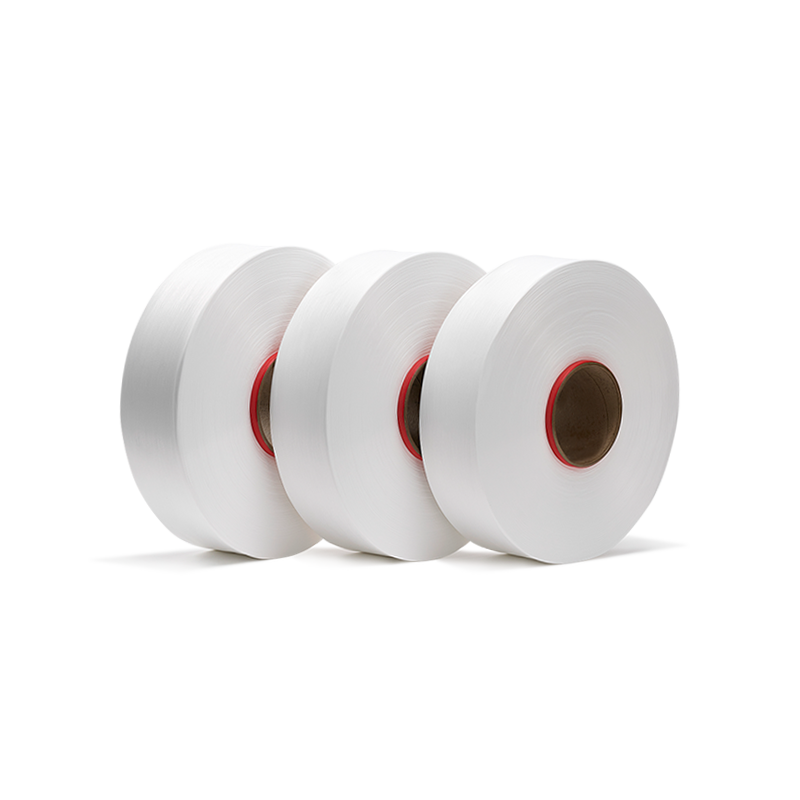 Nylon Partially Oriented Yarn for Consistent WeavingThis POY offers stable denier and low broken filaments, improving weaving efficiency and surface cleanliness. Available in 19D-184D fineness with 5F-136F counts, it is suitable for producing nylon 6 DTY fibers.View Product →
If you are sourcing synthetic fabrics or base yarns, compare not just price but also the technical data sheet. Look for low variability in filament fineness, confirmed elongation figures, and evidence of careful quality control. A slightly more expensive yarn that runs consistently can reduce waste and the final garment’s tendency to shed. For a complete overview of the nylon yarn types we produce, visit our product range.
A Manufacturer's Perspective: What Actually Helps
Fangyuan is a nylon manufacturer, and we know that nylon also sheds microplastic particles. Polyester is not alone. That is why we are honest about the limitations of synthetic textiles. The industry cannot keep ignoring the issue or hiding behind vague “eco” claims.
One popular route is recycled nylon. Recycled nylon can lower the carbon footprint of a fabric by using post-industrial waste or fishing nets, but the quality of the recycling process matters. If the polymer is degraded too much, the fiber becomes brittle and may shed even more. For a closer look at the differences between mechanical and chemical recycling, read our article on how recycled nylon is made.
In our plant, the emphasis is on making yarn that lasts. That is why we invest in melt quality, spin packs, and winding technology. Our nylon fully drawn yarn is heat-set and finished to give fabric makers a stable, low-friction yarn. When the yarn is consistent, the resulting fabric has fewer loose loops and fewer broken filaments—so it sheds less in the customer’s washing machine.
Heat-Set Nylon Fully Drawn Yarn for Durable FabricsThis FDY features high orientation and dyeing uniformity, giving fabric makers a stable, low-friction yarn that reduces shedding. Commonly used for down jacket fabrics and swimsuit materials.View Product →
At the end of the day, reducing microplastic pollution is not about banning polyester; it is about making better products and using them longer. Durable clothing, proper maintenance, and closer cooperation between yarn suppliers, fabric mills, and brands are the real solutions.