English
 Español
 عربى
عربى हिंदी
हिंदी
Recycled Nylon: What It Is, How It's Made, and How to Choose It for Your Supply Chain
Content
One of the most common questions we hear from buyers exploring sustainable materials is whether recycled nylon can perform like virgin nylon. The answer is yes, but only when the recycled feedstock is selected, processed, and spun with the same level of control used in premium virgin production. After more than a decade in nylon manufacturing, we have seen how feed quality and process consistency determine everything from dye uptake to tensile strength.
Recycled nylon is not a single material with a single standard. It can come from factory floor scraps or from discarded fishing nets, and the processing route can be mechanical or chemical. That is why the term matters less than how the material is produced and verified.
What Is Recycled Nylon?
Recycled nylon is a thermoplastic polymer made by recovering waste nylon and reprocessing it into new polymer chips or yarn. The two most common feedstocks are pre-consumer waste, such as fiber waste from spinning and weaving, and post-consumer waste, such as old fishing nets, carpet, and apparel. Both can be turned back into nylon 6 or nylon 6.6, depending on the source and the recycling process.
Many people assume recycled nylon is inherently lower grade. In reality, well-processed recycled chips can be melted, extruded, and spun into POY, HOY, FDY, DTY, and covered yarns with predictable properties. The key variables are the cleanliness of the feedstock, the degree of polymer degradation, and the manufacturer’s ability to correct for those variations.
One distinction matters especially in recycling: nylon 6 and nylon 6.6 behave differently. Nylon 6 can be depolymerized back to caprolactam and re-polymerized without losing its base chemistry. Nylon 6.6 is stronger at high temperatures but more difficult to chemically recycle. Therefore, most commercial recycled nylon today is nylon 6.
How Recycled Nylon Is Made
Recycling nylon starts with collecting and sorting. Pre-consumer waste is generally easier to handle because its composition is already known. Post-consumer waste requires more sorting, washing, and sometimes depolymerization to remove dyes, additives, and contaminants.
After sorting, the material goes through one of two routes: mechanical recycling or chemical recycling.
Mechanical Recycling vs. Chemical Recycling
Mechanical recycling melts, filters, and re-extrudes nylon waste into new chips. It is cost effective, but each heat cycle can shorten polymer chains. Chemical recycling breaks nylon down into caprolactam for nylon 6 or into other monomers for nylon 6.6, then re-polymerizes them. This restores molecular weight closer to virgin material, but at a higher cost.
| Aspect | Mechanical Recycling | Chemical Recycling |
|---|---|---|
| Feedstock | Clean pre-consumer scrap mostly | Post-consumer and mixed or dyed waste |
| Process | Melt, filter, extrude | Depolymerization then re-polymerization |
| Output quality | Good but viscosity can drop | Near-virgin quality possible |
| Cost | Lower | Higher |
| Best for | Simple yarns and films | High-engineering applications |
Benefits and Trade-offs of Recycled Nylon
Recycled nylon offers clear environmental advantages, but it is not a free pass. The benefits are measurable:
- Lowers dependence on virgin petrochemical feedstock.
- Diverts solid waste from incineration or landfill.
- Reduces energy use and greenhouse gas emissions in polymer production.
- Can be used in the same downstream processes as virgin nylon.
The trade-offs matter just as much:
- Consistent post-consumer feedstock is scarce.
- Color and dye affinity can change between lots.
- Mechanical recycling may reduce toughness.
- High-quality recycled chips are often more expensive when volumes are small.
Understanding these trade-offs helps you set realistic specifications. For example, high-tenacity industrial yarns may still require a blend with virgin material.
Common Applications of Recycled Nylon
Recycled nylon performs well in apparel, athleisure, outerwear, luggage, webbing, and home textiles. It suits processes that need good abrasion resistance, elasticity, and dyeability.
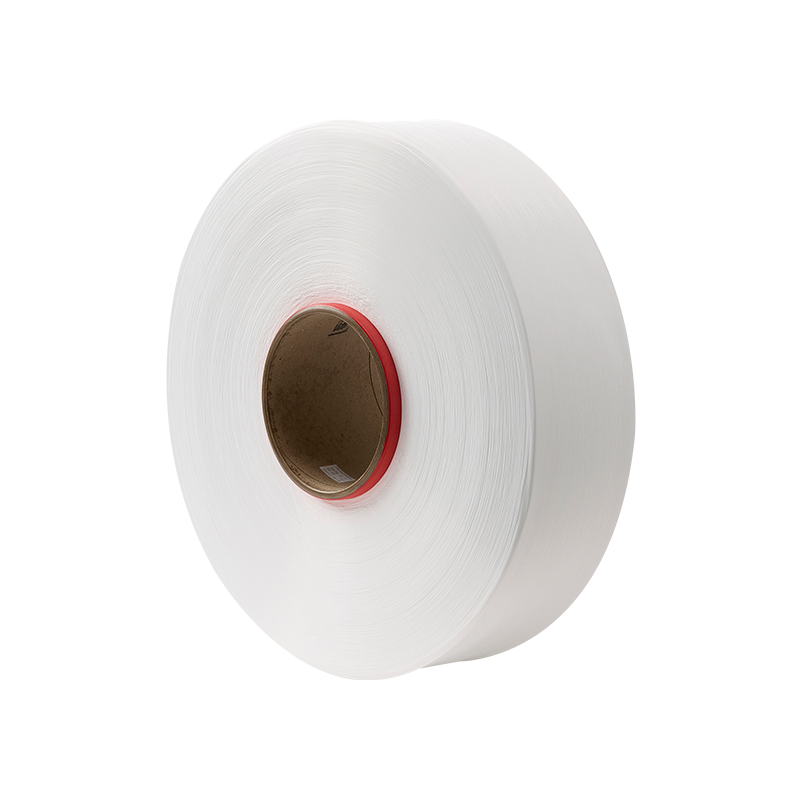
From a manufacturing standpoint, recycled chips are spun into the same yarn families as virgin chips. A producer with a full product line can turn recycled input into partially oriented yarn, high-oriented yarn, fully drawn yarn, draw textured yarn, or air covered yarn. For example, a brand that wants a smooth surface for outerwear might choose a fully drawn yarn because it reaches a stable crystalline state after high-speed drawing. Our fully drawn yarn line, built for consistent take-up and dye brightness, shows the kind of processing control recycled content also demands.
 Bulk Nylon 6 FDY Wholesale, Nylon 6 Fully Drawn Yarn SupplierFangyuan offer Bulk Nylon 6 FDY Wholesale, we are China Nylon 6 FDY Yarn Manufacturer and Nylon 6 Fully Drawn Yarn Supplier, Wholesale Ny...View Product →
How to Choose Recycled Nylon That Meets Your Specs
Before committing to a recycled nylon source, verify three points.
- Check the feedstock source and the recycling route. A documented pre-consumer source may be easier to control, while a post-consumer source requires stronger proof of separation and cleaning.
- Ask for lot-level test data. Relative viscosity, tensile strength, elongation, and shrinkage should be reported on each batch. If the supplier cannot provide this data, the material is unlikely to perform consistently.
- Review your yarn format. If you knit and dye directly, a recycled POY with stable friction and elongation is critical. If you are drawing the yarn in a separate texturizing step, you need a different balance of toughness and shrink.
Certifications such as the Global Recycled Standard provide a chain-of-custody structure, but they do not guarantee mechanical quality. You still need to validate the fiber performance in your own process. You can also read our overview of bio-based and recycled technology if you want to understand where the industry is heading.
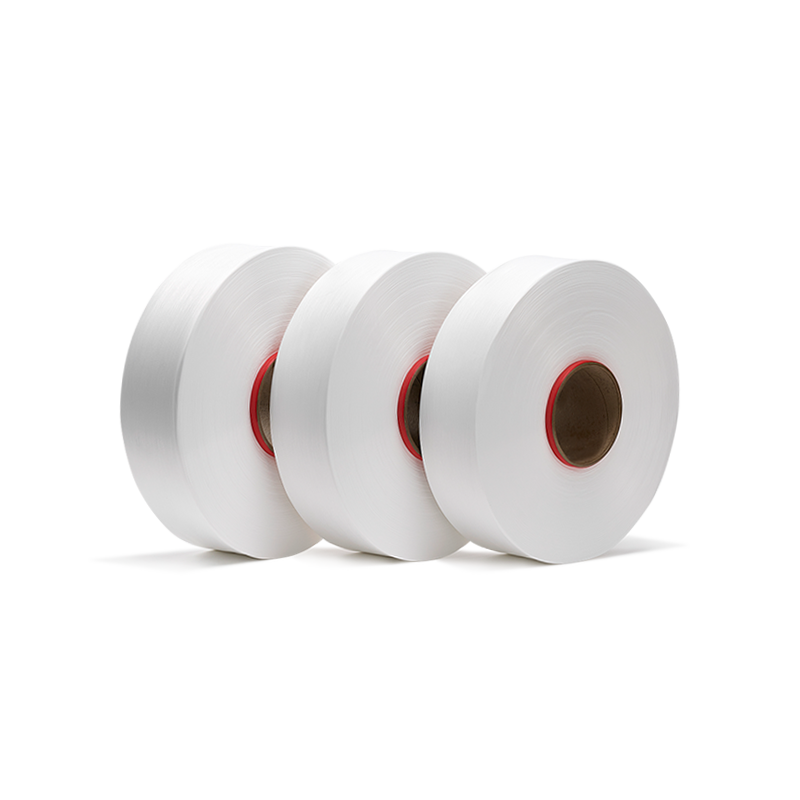
A supplier who already produces nylon partially oriented yarn across a wide denier range can help you set a realistic spec for recycled material, because the same process discipline applies.
Nylon 6 POY Yarn, Nylon 6 Partially Oriented Yarn ManufacturerAs China Nylon 6 POY Yarn Manufacturers and Nylon 6 Partially Oriented Yarn Suppliers, Fangyuan offer Bulk Nylon 6 POY Wholesale, Nylon 6...View Product →Why the Nylon Manufacturer Matters
Recycled nylon presents a special challenge because the polymer starts with a less predictable molecular structure. A manufacturer that only buys and resells recycled chips cannot easily correct for viscosity shifts or contamination. A manufacturer who operates its own polymerization and spinning lines can adjust process conditions in real time.
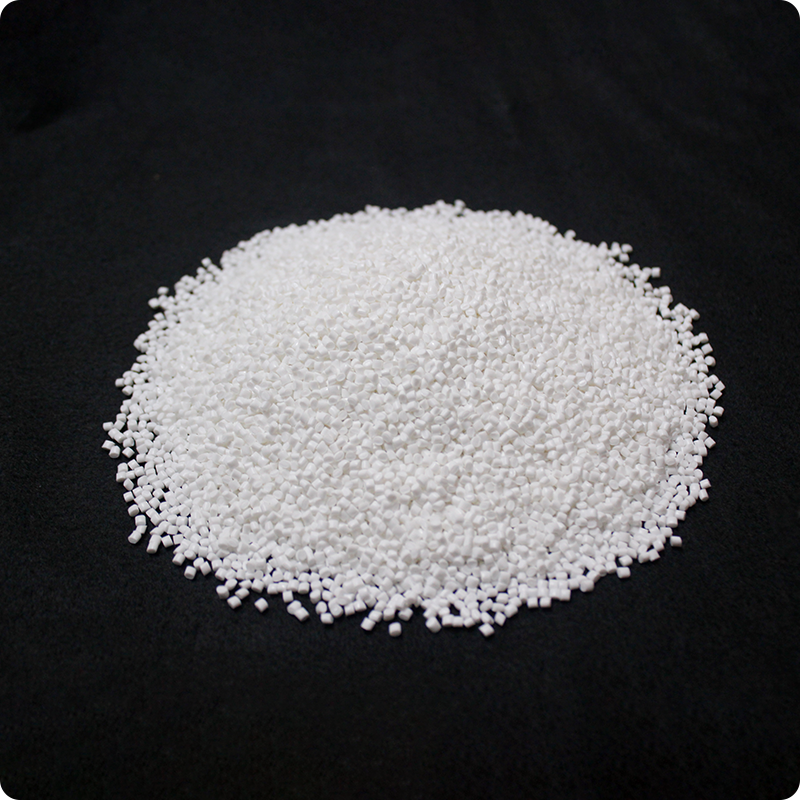
Nylon 6 chips are the foundation of most recycled products. If the chips have stable viscosity and melt flow, downstream spinning problems become manageable. Our nylon 6 chips range covers bright, semidull, and full dull products. When a customer brings recycled content into the conversation, we apply the same logic: define the chip quality first, then work down to yarn properties.
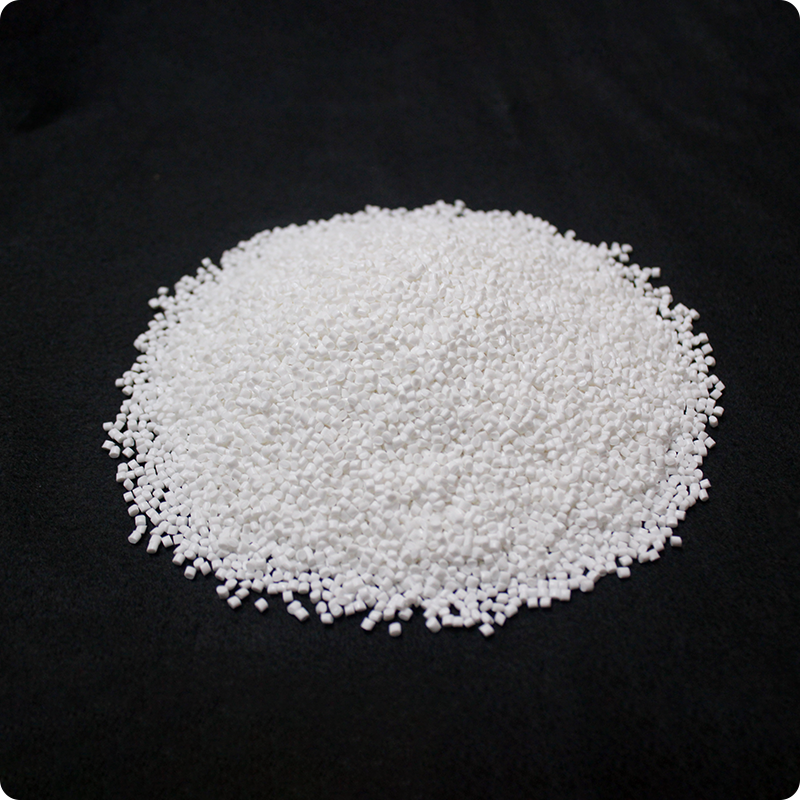 China Nylon 6 Chips Supplier, Wholesale Nylon 6 Chips FactoryAs Fiber-grade Nylon 6 Chips Suppliers, Film-grade Nylon 6 Chips Factory and Engineering-grade Nylon 6 Chips Suppliers, Fangyuan offer Ny...View Product →
The practical takeaway for buyers is simple. Recycled nylon can be a reliable choice, but it needs the same process discipline as virgin polymer. You do not need a supplier that claims to have solved all the challenges of recycling. You need a partner who understands how polymer quality flows through spinning, drawing, and texturizing, and who can tell you when a recycled lot is suitable for your application.
The Bottom Line
Recycled nylon lowers environmental impact when it is produced responsibly, but the label alone is not enough. Ask about feedstock, processing, and test data. Choose a nylon manufacturer with enough experience to translate polymer variability into a usable yarn specification. That is how you get a material that is both sustainable and fit for production.