English
 Español
 عربى
 हिंदी

EU Textile Regulation Today: What Is Live in 2026 and What Nylon Suppliers Must Prepare
Content
- 1 Which EU textile rules are live in late 2026
- 2 Digital product passports: the data a nylon yarn has to carry
- 3 EPR fees turn material choice into a visible line item
- 4 Microplastics: where yarn structure meets the regulatory agenda
- 5 What to prepare in the next two quarters
- 6 Quick answers for sourcing teams
A European buyer's questionnaire landed this autumn with three unfamiliar lines: recycled content per shipment, the test method behind the tenacity figures, and the electricity mix at the plant that spun the yarn. Two years ago none of those lines appeared on a nylon 6 order.
The pressure does not come from one headline regulation. It comes from a stack of overlapping EU instruments that are turning textile sustainability from a marketing claim into documented production data. Some are already binding, others are still in negotiation, yet they shape questionnaires today because buyers dislike changing specifications twice.
Which EU textile rules are live in late 2026
Two instruments already carry real legal weight for textile suppliers: the Ecodesign for Sustainable Products Regulation and its ban on destroying unsold apparel and footwear, which applies to large companies from mid-2026. The rest of the rulebook, from producer responsibility to passport data, is arriving in stages.
| Instrument | Where it stands | What it changes for suppliers |
| Ecodesign for Sustainable Products Regulation (EU) 2024/1781 | In force. Textiles are a priority group in the first working plan, with product-specific rules in drafting. | Durability, recyclability and recycled content move from claim to entry condition, supported by a digital product passport. |
| Ban on destroying unsold apparel and footwear | Applies to large companies from mid-2026, with a longer timetable for medium-sized firms and exemptions for small ones. | Overproduction becomes a compliance risk, so deadstock and forecasting clauses appear in sourcing contracts. |
| Revised Waste Framework Directive and textile EPR | Adopted in 2025. Member states are building schemes with fees modulated by product design, phased in through 2028. | The producer fee follows durability, repairability and recyclability, so material choice carries a visible price. |
| Labelling revision and green claims rules | Still in the legislative process, with simplification pressure from industry and member states. | Buyers request substantiated claims now, even where the binding text is not final. |
| Microplastic and pellet loss measures | Pellet loss rules in negotiation; washing-related fibre release under review in several member states. | Filament specification, shedding test data and finish chemistry enter supplier questionnaires. |
Two patterns matter more than any single file. First, the burden is shifting from finished garment brands toward whoever can document materials, which means spinners, texturisers and chip producers. Second, obligations arrive in a two-step rhythm: a framework law first, product-specific requirements later, then a transition period measured in years rather than months.
Digital product passports: the data a nylon yarn has to carry
The digital product passport reaches further down the supply chain than any other part of the ecodesign framework, because a passport is only as reliable as the mill data behind it.
What a PA6 filament yarn record will likely need
- Fibre composition with tolerance, for example a polyamide 6 share above 95 percent, plus the delustrant level for semi-dull and full-dull grades.
- Recycled content stated per shipment, with the certificate chain and mass balance method behind the number.
- Mechanical data covering tenacity, elongation at break, boiling water shrinkage and denier evenness.
- Chemical compliance evidence for substance screening and restricted substance list sign-off.
- Durability and care data that actually supports the lifetime claim printed in the passport.
- Facility information on energy source, water use and waste handling at the spinning site.
The awkward part is granularity. A passport is issued per product model, but the evidence behind it is per lot. Mills that log tenacity, shrinkage and oil pick-up on paper and consolidate quarterly will find the first data request expensive; mills with lot-level records in a database can answer in an afternoon. If you buy chips rather than yarn, the same logic applies one step upstream.
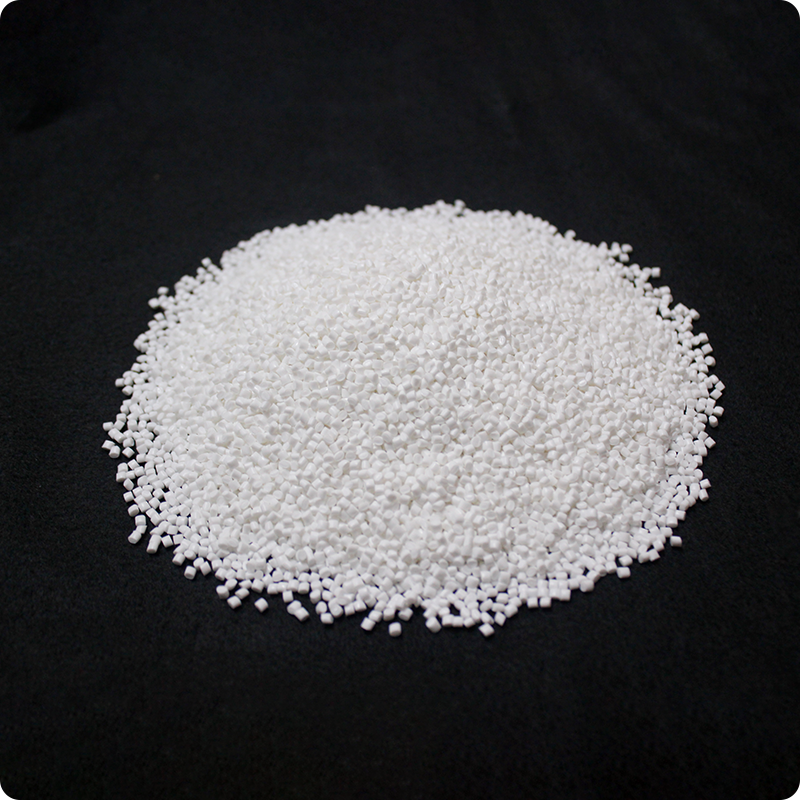 Nylon 6 Chips for Fiber, Film and Engineering GradesThree nylon 6 chip grades for fiber, film and engineering applications, with stable lot-to-lot performance relevant to upstream documentation.View Product →
EPR fees turn material choice into a visible line item
Extended producer responsibility is where regulation becomes a cost per kilogram. Whoever first places a textile on an EU market pays for collection, sorting and recycling, and the fee schedule is increasingly modulated by how the product was designed.
For nylon, that modulation is mostly good news when the fabric is mono-material. Polyamide 6 can be depolymerised back to caprolactam, so a clean single-fibre stream has a credible end-of-life route. Blends tell a different story: a few percent of elastane is enough to complicate mechanical recycling, while polyurethane coatings, laminated layers and bonded trims add cost at the sorting line rather than the spinning line.
Lower fee exposure
- Single-fibre PA6 with no elastane content
- Trims that come off in one step
- A declared route back to caprolactam
- Lot-level durability data on file
Higher fee exposure
- PA6 blended with a small elastane share
- Full-surface coating or lamination
- Adhesive-bonded trims and prints
- Claims with no certificate behind them
Fee modulation also pushes buyers toward documented claims. Recycled content only lowers a fee band when the chain of custody holds, which is where recycled nylon feedstock and quality control becomes a commercial topic instead of a technical footnote.
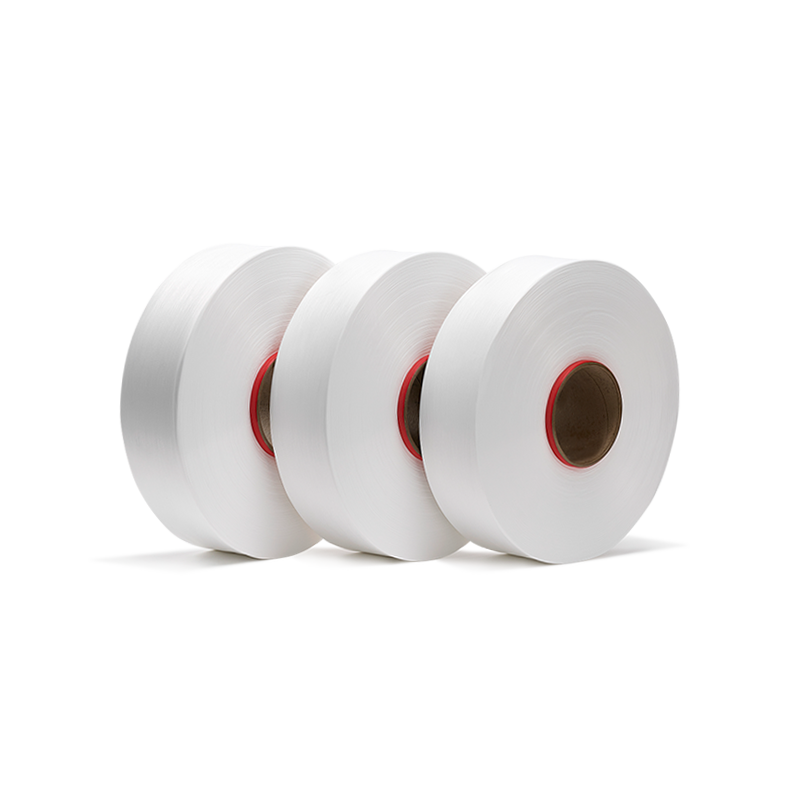 Nylon 6 Fully Drawn Yarn for Down Jackets and SwimwearHigh-orientation nylon FDY with dye uniformity and strength, available in multiple lusters and finenesses for down-jacket and swimwear fabrics.View Product →
Microplastics: where yarn structure meets the regulatory agenda
Microfibre release has moved from research posters into procurement documents faster than any other textile topic, and yarn structure is part of the answer suppliers are now asked to give.
Shedding depends on filament count per yarn, denier per filament, texturising method, dyeing route and fabric construction, and washing conditions often matter more than the polymer itself. Fine filaments expose more surface per unit weight, and bulky air-texturised structures can release more loose fibre in standardised wash tests, although a tight weave or knit can outweigh the yarn effect entirely.
- Filament specification stated plainly, including denier per filament and filament count.
- Shedding test results reported against a recognised method and a fabric weight basis.
- Spin finish and oil chemistry, since finishes influence how fibre detaches.
- Care recommendations that match the durability claim rather than contradicting it.
- Fibre type stated clearly, because PA6 and polyester behave differently in the same test.
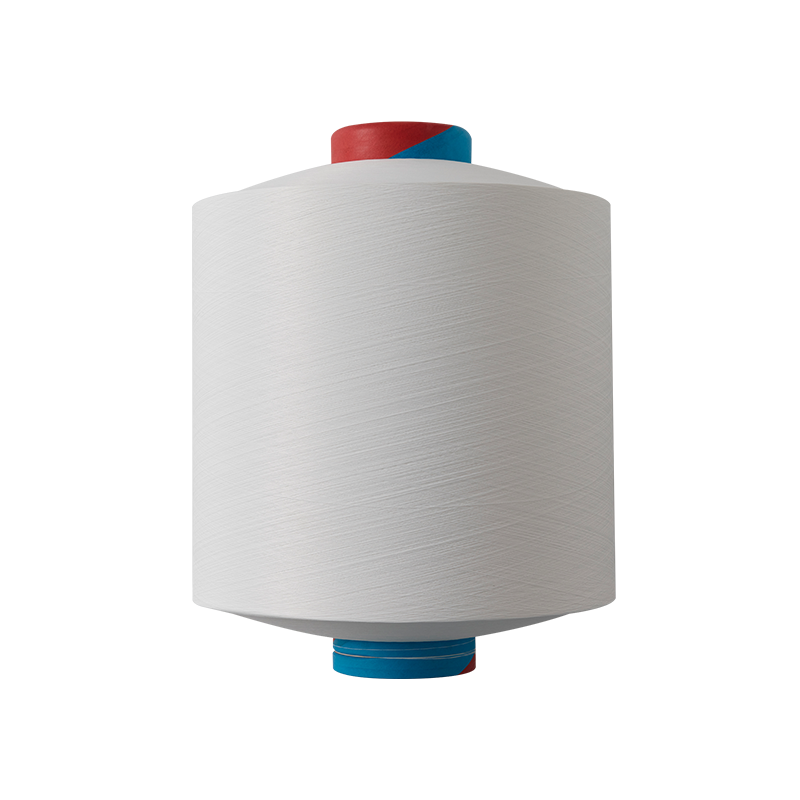 Nylon 6 Draw Textured Yarn for Stretch ApparelBulky, elastic nylon DTY in multiple lusters and fine deniers, suited to yoga wear and children’s clothing with documented crimp and intermingle guidance.View Product →
What to prepare in the next two quarters
Most of the work is documentation, and it does not wait for the delegated acts to be published. A realistic sequence looks like this.
- Map every article you sell into a product group and confirm who counts as the producer under each member state scheme.
- Pull quality control records into a queryable format: tenacity, elongation, shrinkage, oil pick-up and evenness per lot.
- Certify recycled content claims and keep the transaction certificates attached to the shipment rather than the invoice.
- Build one supplier data sheet per product family so the same answers are reused across customers.
- Run a passport mock-up with your three largest European accounts and fix the gaps they find.
None of this needs a new department. It needs lot-level data stored where it can be queried, and a producer able to answer a specification question without forwarding an email chain. Sourcing from a vertically integrated nylon 6 manufacturer that runs chips through filament spinning in one plant shortens that loop considerably.
Quick answers for sourcing teams
These are the questions that come up most often in supplier meetings, answered in the shortest defensible form.
Is there one EU textile law I can read?
No. Ecodesign, waste and producer responsibility, labelling and green claims sit in separate files moving at different speeds. Reading the ecodesign regulation alone will not tell you what an EPR invoice looks like in a specific member state.
Does the ban on destroying unsold stock affect yarn suppliers?
Indirectly. The ban targets unsold consumer apparel and footwear placed on the EU market, starting with large companies in mid-2026, with medium-sized firms on a longer timetable. The effect on spinners is contractual: brands now write deadstock and overproduction clauses into sourcing agreements, which changes sampling behaviour and minimum order sizes.
Do I need a digital product passport for yarn today?
Not yet. Textile passport obligations arrive with the product-specific ecodesign rules. The underlying data, however, takes six to twelve months to organise, so the sensible move is to start recording composition, certificates and lot-level test results now.
Will these rules raise nylon prices?
Partly. Certified recycled content, third-party test data and EPR fees all add administrative or material cost. Mono-material design and documented durability offset some of it, because lower fee bands and fewer compliance queries are worth real money in a tender.