English
 Español
 عربى
عربى हिंदी
हिंदी
Nylon 6 Fully Drawn Yarn: Properties, Comparisons, Applications, and Buying Guide
Content
Imagine specifying a yarn for a high-speed weaving line where every break costs time and quality. You need a filament that draws evenly, winds cleanly, and dyes without surprises. Nylon 6 fully drawn yarn, often shortened to FDY, is designed for exactly that kind of work: it leaves the spinning plant already drawn, oriented, and dimensionally stable, so downstream processes do not have to compensate for a half-finished product.
This guide explains what nylon 6 FDY is, what properties matter in practice, how it compares with POY and DTY, and what to check before you place an order.
What Is Nylon 6 Fully Drawn Yarn?
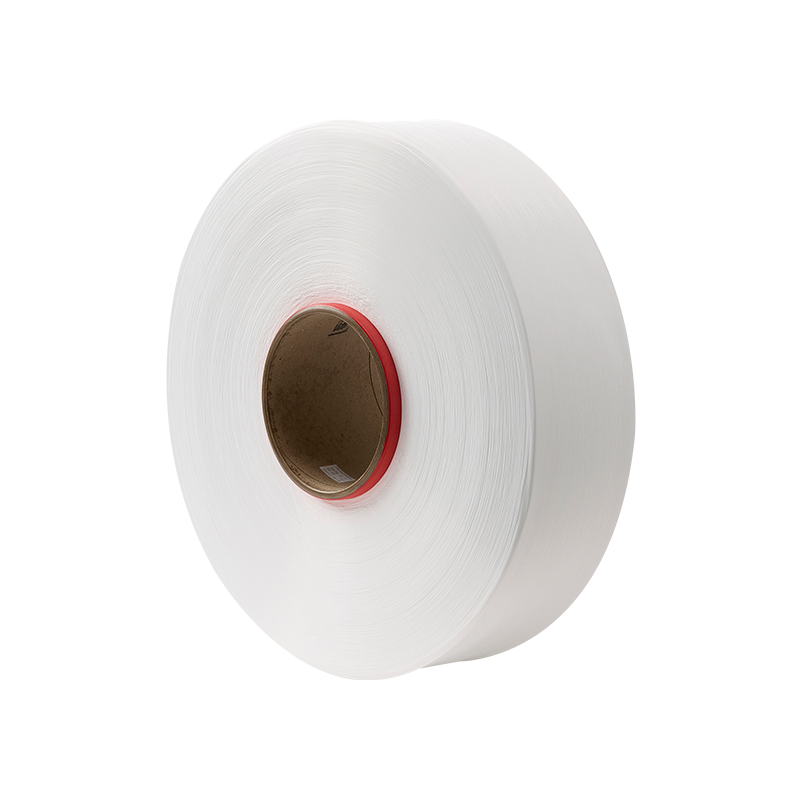
Nylon 6 fully drawn yarn is a continuous polyamide filament produced by melt spinning caprolactam-based chips and then drawing the solidified filaments through heated godet rolls in the same production line. The drawing step aligns the polymer chains and increases crystallinity, which gives the yarn its strength, low stretch, and resistance to deformation.
Compared with partially oriented yarn, FDY has already reached its final molecular orientation. Because there is no separate drawing stage at the customer's facility, FDY offers more predictable behaviour on warping, knitting, and weaving equipment. It is also a good basis for twisted or interlaced products used in sewing threads, cordage, and narrow fabrics.
If you work with flat filament that must stay uniform across large batches, our nylon 6 fully drawn yarn product range covers common deniers for weaving, knitting, and industrial fabric production.
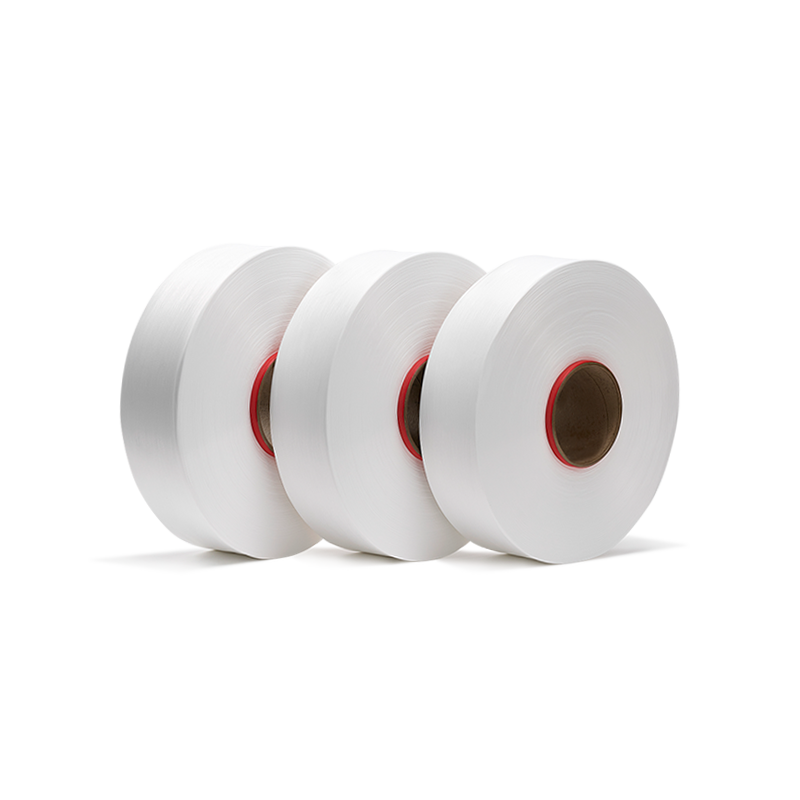 Bulk Nylon 6 FDY Wholesale, Nylon 6 Fully Drawn Yarn SupplierFangyuan offer Bulk Nylon 6 FDY Wholesale, we are China Nylon 6 FDY Yarn Manufacturer and Nylon 6 Fully Drawn Yarn Supplier, Wholesale Ny...View Product →
Key Properties and Specifications of Nylon 6 FDY
The table below shows typical ranges for nylon 6 FDY. Exact values depend on denier, filament count, and the supplier's process parameters, so use these numbers as a starting point rather than a purchase specification.
| Parameter | Representative range | Why it matters |
|---|---|---|
| Denier range | 20D-210D, with other counts available | Determines fabric weight and strength; coarse deniers suit industrial fabrics, fine deniers suit apparel and lining. |
| Tenacity | 4.0-6.0 g/den at break | High tenacity helps yarn survive weaving abrasion and end-use stress. |
| Elongation at break | 30%-45% | Affects handling stretch and fabric elongation properties. |
| Boiling water shrinkage | 6%-10% | Low, consistent shrinkage reduces dyeing and finishing problems. |
| Filament count | 12f, 24f, 48f and higher | More filaments produce a softer hand but increase processing care requirements. |
| Lustre options | Bright, semi-dull, full-dull | Controls surface appearance and helps match the final fabric's aesthetic. |
The values that matter most in production are not only the averages. A tenacity or shrinkage that varies from batch to batch creates stop marks, streaks, and fabric distortion. That is why a nylon 6 FDY spec should be judged as much by its tolerances as by its typical number. Nylon 6 also melts at about 215°C, so FDY fabrics can be heat-set with a useful margin of safety.
How Nylon 6 FDY Compares with POY, HOY, and DTY
FDY is one of the four common flat filament states in nylon production. POY is produced at intermediate winding speed and remains partially oriented until it is either drawn into FDY or textured into DTY. HOY is oriented at higher speed but still does not pass through the same in-line drawing stage as FDY. DTY, on the other hand, is a textured yarn with crimp, bulk, and stretch.
When the downstream goal is a smooth, dimensionally stable fabric, FDY is usually the first choice. When you need stretch and a softer hand, DTY may serve better. If you plan to carry out drawing at your own facility, POY can be a workable raw material, but it adds a process and more variables to control. Our nylon partially oriented yarn is available if that processing route fits your operation.
Nylon 6 POY Yarn, Nylon 6 Partially Oriented Yarn ManufacturerAs China Nylon 6 POY Yarn Manufacturers and Nylon 6 Partially Oriented Yarn Suppliers, Fangyuan offer Bulk Nylon 6 POY Wholesale, Nylon 6...View Product →
For textured applications such as hosiery and stretchable sportswear, a nylon draw textured yarn gives the crimp and elongation that FDY does not offer. We also compare nylon DTY and FDY in more detail if you are deciding between the two.
A simple orientation summary:
| Yarn type | State | Key characteristics | Common use |
|---|---|---|---|
| POY | Partially oriented | Needs drawing or texturing | Feed yarn for DTY and FDY processes |
| HOY | High-oriented | Higher orientation than POY, less drawn than FDY | Some flat fabric applications |
| FDY | Fully drawn | Stable, strong, low stretch | Weaving, knitting, sewing thread |
| DTY | Textured | Bulk, stretch, softness | Hosiery, activewear, elastic fabrics |
Applications of Nylon 6 Fully Drawn Yarn
Because FDY is flat, smooth, and reliable under tension, it appears in products where abrasion resistance and shape retention are more important than bulk. Typical end uses include:
- Apparel and lingerie: linings, seamless garments, bra straps, and warp-knit fabrics that need a clean surface and consistent dye uptake.
- Hosiery and socks: FDY can form smooth, hard-wearing legs while the welt and other parts use textured yarns.
- Industrial textiles: airbag fabrics, webbings, seat belts, luggage fabrics, and coated substrates where strength is essential.
- Ropes, cords, and sewing thread: full-drawn nylon 6 filaments provide the high tenacity and low stretch that twisted products require.
- Zipper tapes and fasteners: the tape needs to be stable under repeated slider movement; FDY gives the necessary abrasion resistance.
If your fabric is being developed for one of these areas, check whether the denier and filament count match the established specifications for that end use.
What to Check When Buying Nylon 6 FDY
Denier and filament structure
The first decision is usually between a heavier denier for strength and a finer filament count for softness. A 70D/24f yarn handles most knit and woven uses, while a 210D or heavier type appears more often in industrial webbing and coated fabrics. Confirm that the supplier can state the CV% of denier across the package; high CV leads to bars and streaks in dyed fabric.
Lustre and additive profile
Nylon 6 FDY comes in bright, semi-dull, and full-dull versions. Bright yarn gives a clear, shiny appearance; full-dull yarn includes titanium dioxide delustrant and produces a matte finish. The choice affects both the look and the dye bath performance, so the specification must be locked before production.
Batch-to-batch consistency
The hidden cost of a low-priced FDY is often the cost of off-shade dye lots, breaks in warping, and rejects in finishing. Ask for the supplier's control data on elongation, shrinkage, and dyeability. Because we make our own nylon 6 chips and control the polymer-to-yarn chain, we can keep polymer viscosity and additive dosage consistent across campaigns.
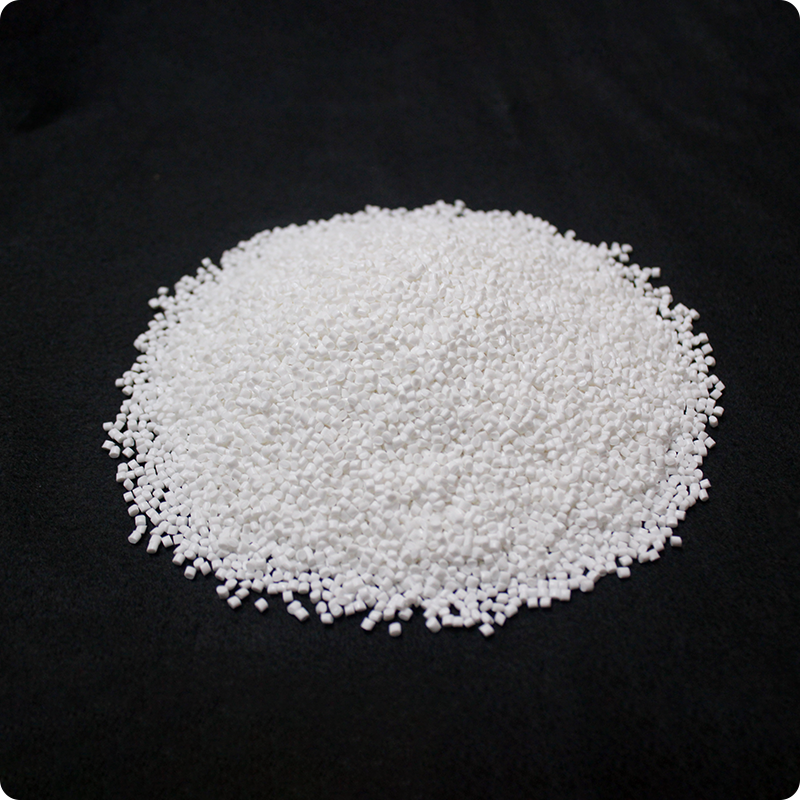 China Nylon 6 Chips Supplier, Wholesale Nylon 6 Chips FactoryAs Fiber-grade Nylon 6 Chips Suppliers, Film-grade Nylon 6 Chips Factory and Engineering-grade Nylon 6 Chips Suppliers, Fangyuan offer Ny...View Product →
Supplier capability and delivery
An FDY order does not end at a single shipment. You may need the same spec month after month, with minor adjustments for seasonal changes. Check whether the supplier has enough spinning capacity, package types, and response time to support your own mill schedule. A manufacturer with a complete filament programme can also help you qualify additional yarn types later without duplicating the whole sourcing process.
Why Source FDY from an Integrated Nylon 6 Manufacturer
FDY quality starts upstream. A supplier that controls resin quality, spinning, and drawing under one roof can react faster when conditions change and has fewer places for errors to hide. At Zhejiang Fangyuan, production starts with nylon 6 chips and moves through POY, FDY, HOY, DTY, and air-covered yarn, supported by a factory area of 135,000 square metres and a team of more than 370 employees.
If you are qualifying a new FDY source, our nylon filament yarn product range and company website show the range of yarns we produce. The same integrated process that gives us control over the polymer also supports the FDY consistency your weaving or knitting plant needs.
Conclusion
Nylon 6 fully drawn yarn rewards careful specification. Understand the denier, filament count, lustre, and tolerance you need, compare it honestly with POY and DTY, and choose a supplier who can prove batch control rather than only quoting a test certificate. When those basics are right, FDY becomes a dependable workhorse material that keeps looms and knitting machines running with fewer surprises.