English
 Español
 عربى
عربى हिंदी
हिंदी
Synthetic Fiber Advantages: Strength, Stability and Smarter Nylon Sourcing
Content
Run the same 40,000-meter order twice on the same knitting machines, and the second batch can still come out a shade off, half a centimeter narrower, or short of the hand-feel the buyer approved. In most of those cases the root cause traces back to fiber rather than to the machine: moisture regain that shifts with warehouse humidity, shrinkage that drifts from cone to cone, or tenacity that changes between deliveries.
Synthetic fibers exist to remove that variability, and that remains their most valuable advantage. Strength at low weight, dimensional stability, controlled moisture behavior, and a supply chain built on fixed polymer chemistry instead of weather all sit at the top of the list. The practical result is a specification you can hold across batches, machines, and seasons.
The advantages are real, but they are not automatic. They reach the production floor only when grade, denier, and supplier controls are specified correctly.
Five Advantages That Show Up in Daily Production
Synthetic fibers are man-made polymers extruded into filaments, then drawn, textured, twisted, or cut into the form a mill needs. Polyester, nylon (polyamide), acrylic, and elastane dominate the category. The five advantages below are the ones production and procurement teams feel directly.
- High strength-to-weight ratio. A fine nylon filament carries loads that would need a much heavier natural yarn, so finished fabrics stay light without losing seam strength or tear resistance.
- Dimensional stability. Low, repeatable shrinkage keeps cut panels at their planned size and holds course density in tubular knits after washing.
- Fast, predictable drying. Low moisture regain shortens drying cycles, saves energy, and reduces mildew risk during storage.
- Resistance to biological degradation. Rot, mildew, and insect damage that shorten the life of stored natural fiber are not a practical concern.
- Engineered properties. Luster, denier, crimp, elasticity, and flame behavior can be adjusted during polymerization and spinning rather than accepted as fixed properties of a crop.
That last point is what separates synthetic fibers from natural ones in a procurement context. A buyer can order 8 denier, 70 denier, and 280 denier from the same polymer platform and receive identical chemistry each time, with a documented tenacity and elongation range attached to every lot.
Natural vs Synthetic Fibers: A Practical Comparison
Both families win somewhere. The table below concentrates on the properties that decide whether a production run goes smoothly.
| Property | Natural fiber (cotton, wool) | Synthetic fiber (nylon 6, polyester) | Effect on production |
|---|---|---|---|
| Abrasion resistance | Moderate | High | Fewer wear complaints in high-stress areas |
| Shrinkage control | Variable, humidity sensitive | Low and repeatable | Stable cut sizes and course density |
| Moisture regain | High for cotton, very high for wool | Low for nylon 6, minimal for polyester | Faster drying, lower energy cost |
| Crease recovery | Needs finishing or blending | Good to excellent | Less pressing, simpler packing |
| Supply consistency | Crop and climate dependent | Driven by polymer specification | More reliable costing and lead time |
Read it as a set of trade-offs, not a scorecard. Cotton still wins on moisture absorption against the skin and on the hand-feel buyers associate with premium goods. Synthetics win wherever repeated mechanical stress, exact dimensions, and predictable supply matter more than those two qualities.
Moisture regain is the single property that explains most of the difference in drying speed and dimensional behavior:
Where the Advantages Change the Outcome
The advantages above are not equally valuable in every end use. Three areas show the difference most clearly.
Apparel and fashion
Fine-denier filament gives a smooth, uniform surface that dyes evenly and holds color through repeated laundering. Blending a small percentage of textured nylon or elastane into a cotton-rich fabric adds stretch and recovery without changing the visual character of the cloth, and the blend keeps most of its wrinkle resistance after domestic washing.
Workwear and industrial textiles
Abrasion resistance decides product life in protective clothing, webbing, conveyor belting, and filter media. Nylon filament keeps its tensile strength after repeated flexing and does not rot in damp service, which is why it holds a place in applications where cotton would fail within a season.
Hosiery, sportswear, and fine knits
Low moisture regain matters most where fabric sits against the skin. A hydrophobic filament moves liquid to the surface instead of holding it, so a garment dries quickly and stays lighter when wet. That is the mechanism behind most moisture-management claims in athletic wear, and it depends on consistent denier and crimp from lot to lot, which is exactly where a controlled spinning process pays off.
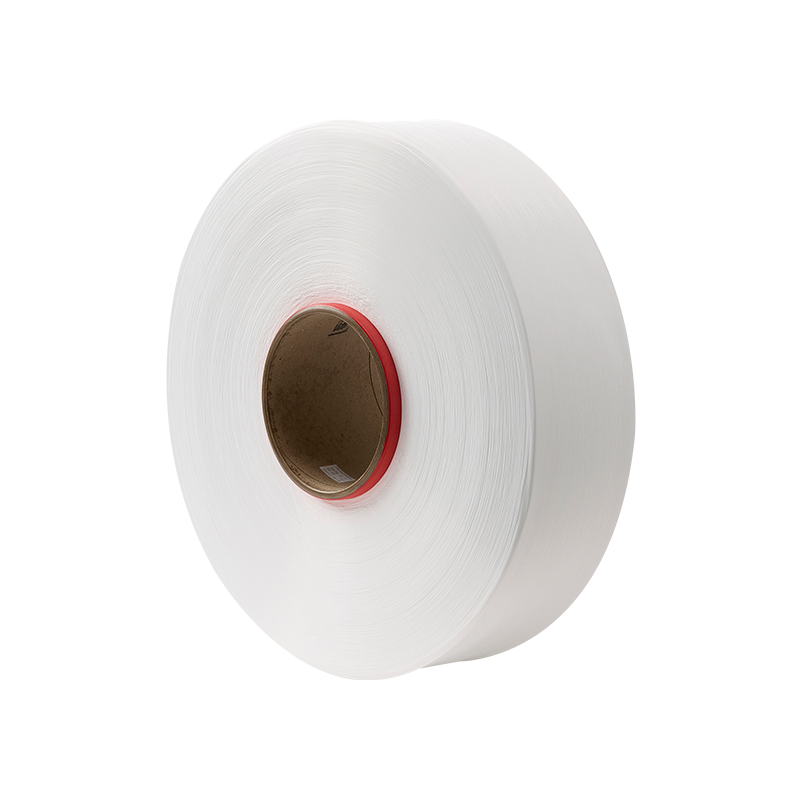
 Nylon Partially Oriented Yarn● Low orientation degree and high crystallinityView Product →
What Nylon 6 Contributes to the Comparison
Nylon 6 (polyamide 6) sits between polyester and the high-performance fibers. It delivers better abrasion resistance and elastic recovery than polyester in most textile uses, takes dye at lower temperatures, and produces a softer hand at the same denier, which is why it remains a default choice for hosiery, seamless knitwear, and many technical textiles.
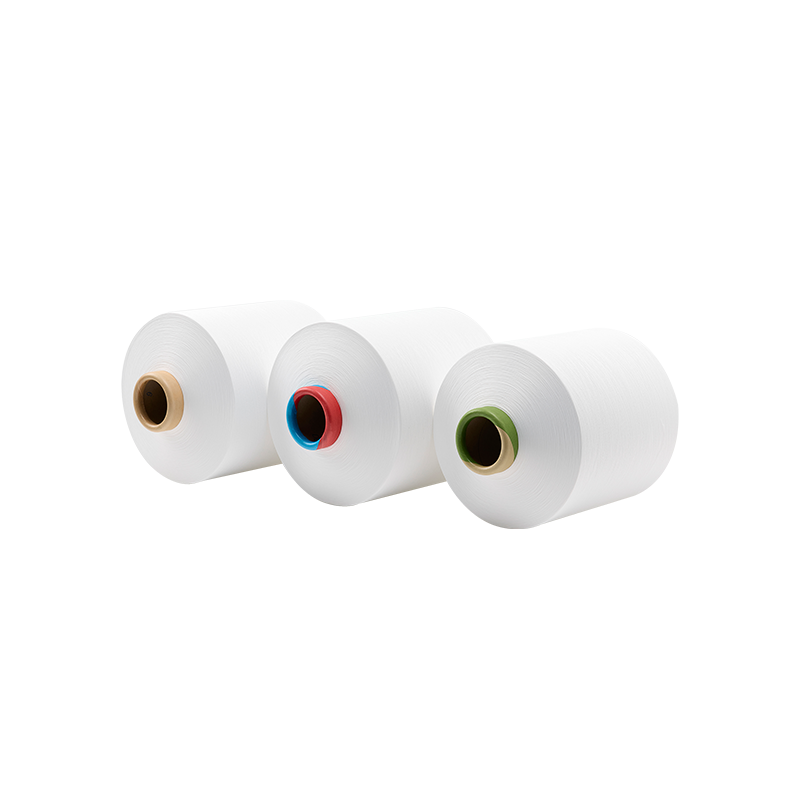
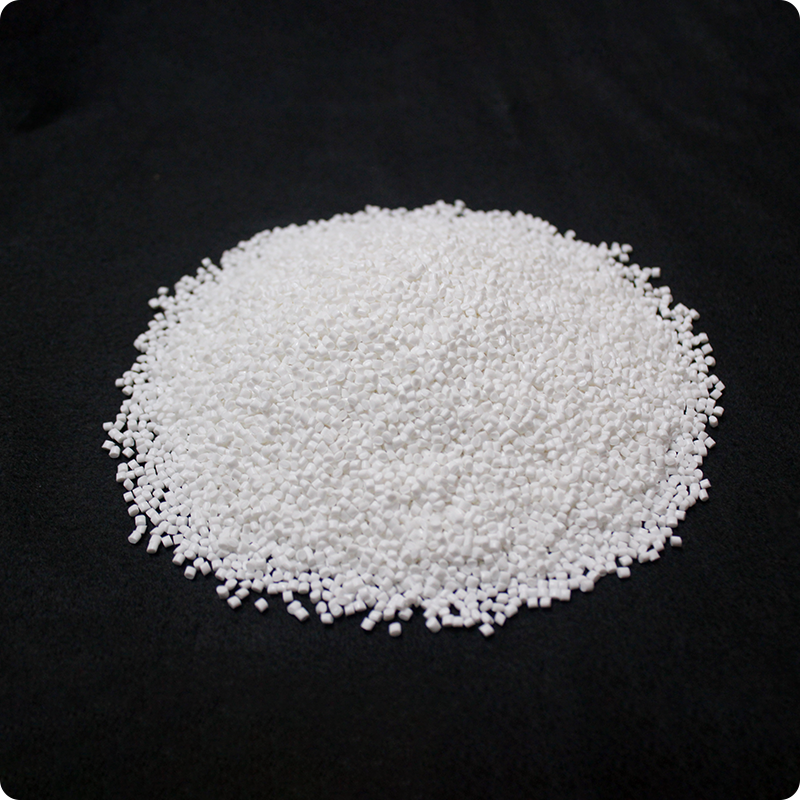 Nylon 6 ChipsNylon Partially Oriented YarnView Product →
The material also arrives in several grades, and choosing the wrong one is an expensive mistake. Fiber-grade chips are built for spinning and texturing, film-grade for packaging, and engineering-grade for injection-molded parts with mechanical loads of their own, and the differences sit in viscosity, additive package, and contamination limits. If you are locking a specification, the differences between fiber-grade, film-grade, and engineering-grade nylon 6 are worth reviewing first, because a switching error usually shows up as broken filaments rather than as an obvious defect.
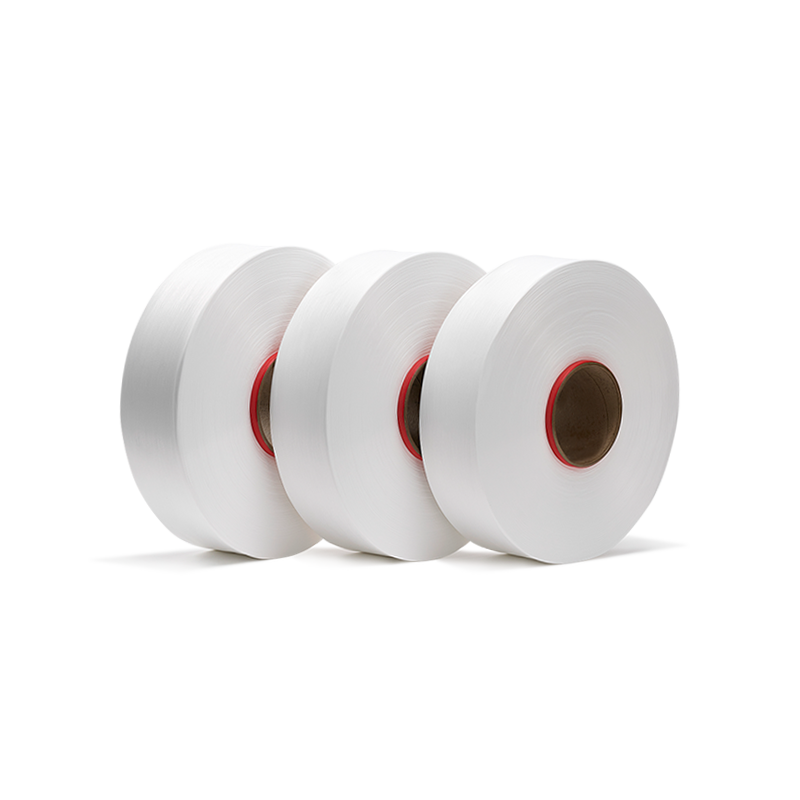
For downstream yarns, the same polymer platform covers a wide range. Partially oriented yarn is drawn and textured further by the knitter or throwster; fully drawn yarn goes straight to weaving or knitting with final properties already locked in; textured and air-covered yarns add bulk, stretch, and cover. A producer that runs polymerization, spinning, and texturing in one facility can hold shrinkage and tenacity targets across the whole chain instead of negotiating them between three suppliers.
Nylon Fully Drawn Yarn● High orientation degreeView Product →The Trade-Offs You Still Have to Manage
None of these advantages removes the need for process control. Synthetic fibers bring their own handling requirements, and ignoring them turns a strength into a complaint.
- Heat sensitivity. Nylon 6 softens well below polyester's melting range, so tenter, ironing, and heat-setting temperatures must be set deliberately rather than copied from a polyester recipe.
- Static and pilling. Low moisture regain encourages static buildup during spinning and winding, and short fibers in staple blends can pill at abrasion points unless fiber length and twist are specified.
- Oil staining. Oleophilic surfaces hold oily soils more tightly than cotton, so stain-release finishing or a soil-resistant variant may be needed for workwear.
- Odor retention. The hydrophobic surface that dries fast can also hold odor molecules, which antimicrobial treatments or blend ratios address.
- Feedstock exposure. Prices track petrochemical markets, so contracts behave differently from cotton contracts, and recycled or bio-based polyamide routes are expanding as a way to reduce that exposure.
Handled with the right settings and finishes, these are routine issues. Handled by assumption, they show up as returns.
What to Verify Before You Approve a Supplier
Most of the value in a synthetic fiber specification is captured before the first shipment, in the questions you ask. These are the ones that separate a supplier who can hold a specification from one who can only quote a price:
- Denier and tenacity tolerances stated per lot, not as a general range.
- Shrinkage values measured under the same conditions your process uses.
- Finish or oil pickup, because it changes friction on the knitting machine.
- Package weight and density, which affect unwinding tension at high speed.
- Batch traceability from polymer lot to shipped carton.
- Documented lead time on repeat orders, not only on the first one.
None of these checks is exotic, but they only work when a supplier can answer from records rather than from memory. Zhejiang Fangyuan New Material Co., Ltd. runs polymerization and spinning inside the same 135,000-square-meter facility, so chip grade, yarn specification, and batch documentation come from a single source. Whether the order is chips, POY, HOY, FDY, DTY, or ACY, the objective stays the same: a specification that holds on the tenth delivery exactly as it did on the first.