English
 Español
 عربى
عربى हिंदी
हिंदी
Nylon ACY Yarn: Properties vs SCY & Applications | Fangyuan Fiber
Content
- 1 What is Nylon ACY Yarn? (Definition & Basic Principle)
- 2 Nylon vs. Polyester as the Base Material: Why Nylon ACY Excels
- 3 Key Performance Advantages of Nylon ACY
- 4 Applications Across Textile Segments
- 5 Air Covered Yarn vs. Spandex Covered Yarn: Sourcing Decision Guide
- 6 Sustainability & Innovation Trends in Nylon ACY
- 7 Final Checklist for Sourcing Nylon ACY
What is Nylon ACY Yarn? (Definition & Basic Principle)
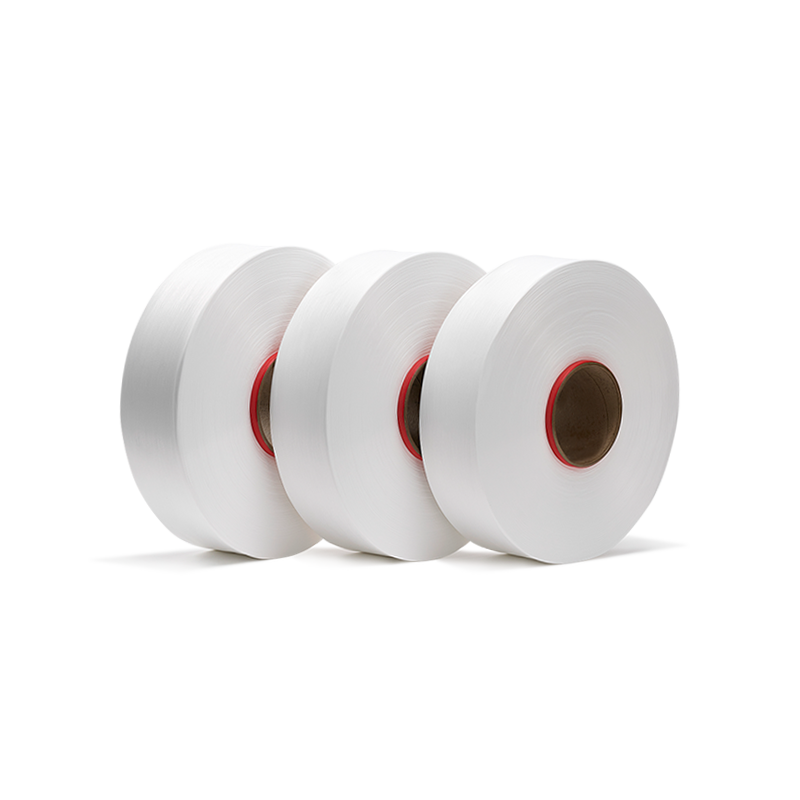
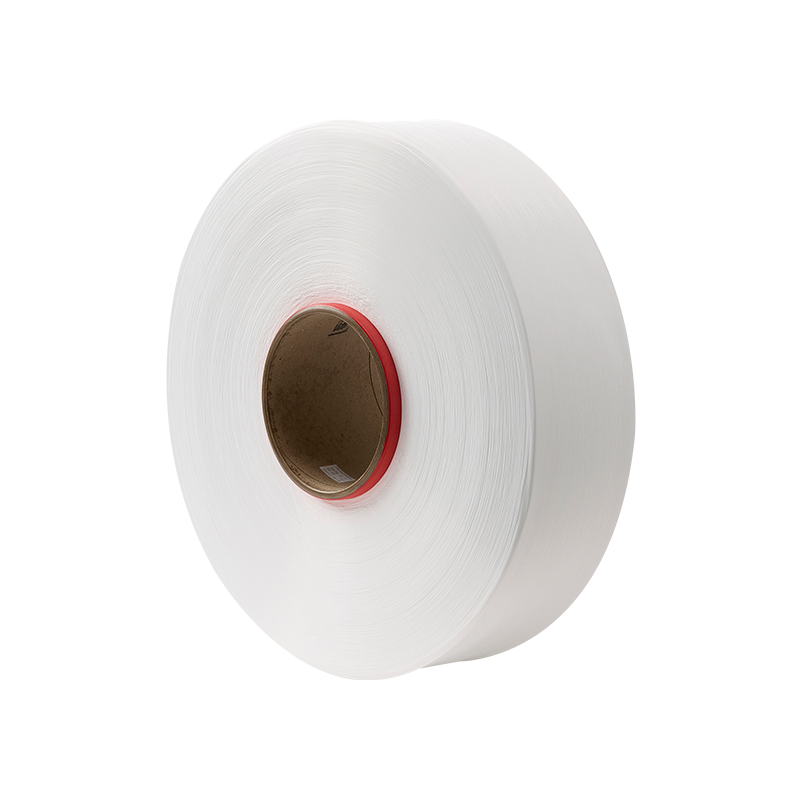
Nylon air‑covered yarn (ACY) is a composite textile formed by feeding a spandex core and a nylon sheath filament simultaneously through a high‑pressure air‑jet nozzle. Compressed air creates a network of fine loops that entangle the two components without any mechanical twist. The result is a soft, bulky yarn where the nylon fibers are locked around the elastic core at regular intervals, generating a permanent “air tack” effect.
This zero‑torque construction fundamentally distinguishes ACY from conventional covered yarns. Because the process avoids spindle rotation and traveler friction, production speeds can reach 600–800 m/min—roughly twice the output of mechanical covering machines. For procurement teams, that speed translates directly into lower conversion costs per kilogram and shorter lead times on large orders.
Nylon vs. Polyester as the Base Material: Why Nylon ACY Excels
The outer filament in an ACY construction can be polyester or nylon, but nylon 6 imparts several performance traits that polyester cannot match. Nylon 6 absorbs up to 4.5% moisture by weight, drawing perspiration away from the skin and releasing it to the air—critical for activewear where microclimate comfort determines wearer satisfaction. In hosiery and sock applications, nylon’s superior abrasion resistance (tested via Martindale cycles) means that even lightweight 30‑denier ACY yarns maintain heel and toe integrity longer than equivalent polyester constructions.
Nylon 6 also accepts acid and disperse dyes more readily, producing brilliant, high‑color‑fastness shades that resist fading after repeated home laundering. For seamless garments, this dye uniformity eliminates shade bands across panels. The molecular structure of nylon 6—with its amide groups—gives the yarn a natural affinity for softening agents, further enhancing the luxurious hand that brands prize. To understand how the raw chip quality influences these properties, review the nylon 6 chips properties and applications guide.
Key Performance Advantages of Nylon ACY
Ultra‑Soft Hand and Zero Torque
Because the nylon filament is deposited in a relaxed state around the spandex core—rather than being twisted under tension—the finished yarn has a more natural, fabric‑like drape immediately off the package. There is no residual twist liveliness that would cause curling in single‑jersey constructions, a frequent nuisance with mechanical SCY.
High Stretch and Recovery
A standard ACY configuration pairs 70D nylon with 40D spandex, achieving stretch ratios of 200–300% with instant recovery above 95%. This performance supports the four‑way stretch demanded by compression sportswear and medical hosiery. Air‑jet entanglement creates multiple locking points per centimeter, distributing recovery force evenly and reducing bagging at knees and elbows.
Cost Efficiency in High‑Volume Production
Air covering machines run faster and require less maintenance than conventional hollow‑spindle machines. The yarn path is simpler, eliminating the need for spindle lubricants and reducing yarn breaks. Industry benchmarks indicate that producing one ton of nylon ACY can save approximately ¥5,000–10,000 compared with equivalent SCY output, once you account for labor, energy, and waste. For an alternative textured construction with a different hand, compare with nylon DTY yarn for alternative application.
For detailed technical datasheets, denier counts, and available spandex‑pairing options, consult our Nylon ACY yarn technical datasheet.
Applications Across Textile Segments
Sportswear and Compression Activewear
Nylon ACY is the preferred core material for high‑energy sports bras, leggings, and training tops. The combination of moisture management, soft stretch, and flat seam‑free construction allows brands to design single‑layer garments that replace traditional cut‑and‑sew panels. For high‑compression zones, engineers typically specify a 50D nylon/30D spandex ACY to balance holding power and breathability.
Socks and Hosiery
In athletic and dress socks, nylon ACY provides a cushioned feel without bulk. The air‑covered structure traps dead air between fibers, contributing to thermal insulation while remaining lightweight. The absence of twist‑induced shear also reduces the risk of yarn‑on‑yarn abrasion that can create premature pilling in the heel area.
Seamless Lingerie and Intimates
Seamless knitting machines rely on ACY to deliver consistent tension across the entire fabric tube. Nylon’s excellent dye uptake ensures that body pieces match trim and band components exactly, even after post‑dyeing. Air‑covered yarns also eliminate the hard seams that can cause skin irritation, a must‑have for next‑to‑skin garments.
Air Covered Yarn vs. Spandex Covered Yarn: Sourcing Decision Guide
Procurement teams often weigh ACY against mechanical spandex covered yarn (SCY). The table below summarizes the critical trade‑offs to inform your specification. The choice ultimately hinges on your product’s hand‑feel target, production scale, and downstream finishing capabilities.
| Criterion | Nylon ACY | SCY (Mechanical Covering) |
|---|---|---|
| Hand Feel | Soft, bulky, no residual torque | Firmer, slight twist liveliness |
| Production Speed | 600–800 m/min (air‑jet) | 25–35 m/min (hollow spindle) |
| Cost per Ton (approx.) | Lower – faster output, less energy | Higher – slower, more labor |
| Post‑processing Need | Often requires sizing for weft knitting | Knittable directly without sizing |
| Elastic Recovery | Good, consistent locking points | Excellent, tighter spiral binding |
| Durability (abrasion) | Good – air‑tacked structure resists pulling | Slightly higher – tighter twist protects core |
Decision rule: If your priority is a soft, cloud‑like hand and you need to scale production quickly, specify nylon ACY. If your application demands extreme elastic recovery and a structured, firm fell—such as medical compression stockings—mechanical SCY remains the better choice. For more insight on comparing nylon filament types, see the nylon HOY vs POY selection guide.
Sustainability & Innovation Trends in Nylon ACY
The nylon supply chain is shifting rapidly toward circularity. Recycled nylon 6 obtained from post‑industrial waste and discarded fishing nets is now being successfully air‑covered into ACY yarns that meet OEKO‑TEX® Standard 100 requirements. These reclaimed yarns retain the same tensile strength and elongation as virgin nylon, allowing mills to produce eco‑declared sportswear without compromising on performance.
Simultaneously, bio‑based nylon 6 precursors—derived from castor oil or corn starch—are entering pilot air‑covering trials. The resulting yarns exhibit a lower carbon footprint while maintaining the dye uptake and softness that designers expect. When combined with solvent‑free sizing and closed‑loop water systems, the entire ACY manufacturing chain moves closer to a true circular model. For a broader view of how these technologies are reshaping the nylon industry, read our analysis of biobased recycled tech in nylon innovation.
Final Checklist for Sourcing Nylon ACY
Before placing an order, verify these technical parameters with your supplier to ensure the yarn will run smoothly on your knitting or weaving equipment:
- Yarn count (Denier): Specify the outer nylon denier (e.g., 40D, 70D, 100D) and the spandex denier (20D–70D typical). Confirm whether the ratio aligns with your fabric stretch target.
- Air pressure setting: Standard air‑covering nozzles operate between 3.5 and 6.0 bar. Higher pressure increases entanglement density, affecting fabric crispness; ask for the supplier’s process sheet.
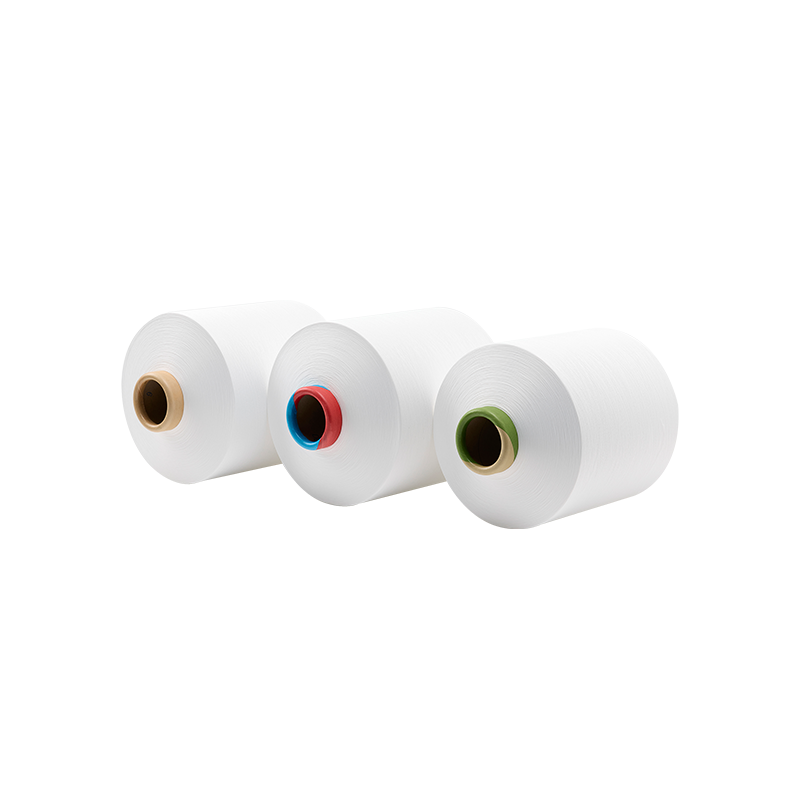
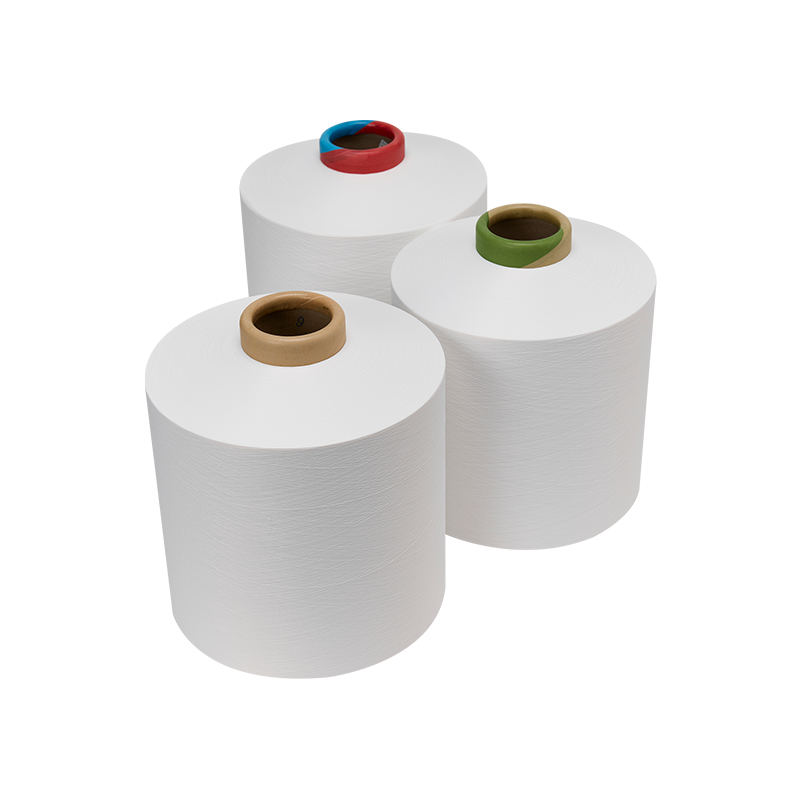
- Package weight: 1.5–2.5 kg per cheese is common for circular knitting. Uniform package weight reduces creel‑change downtime.
- Colorfastness: Request test reports for wash, light, and perspiration fastness—especially for bright or deep shades that are prone to crocking on nylon.
- Oiling level: A spin‑finish between 1.5% and 3.0% aids knitting lubricity. Excessive oil can cause dye spotting; too little increases needle wear.
- Post‑process sizing: If your mill cannot apply sizing, ask the supplier for a pre‑sized ACY variant to prevent filament fraying during high‑speed weft insertion.